Build Healthier Phone Habits for Better Focus and Sleep

What are healthy phone habits?
Healthy phone habits help you use your device intentionally without letting it crowd out sleep, focus, movement, or time with other people. They don’t require giving up your phone. Instead, create a few simple boundaries that fit your day, then adjust them when they’re not working.
Choose specific times to check your phone
Rather than checking every notification as it arrives, set a few regular times to catch up on messages and updates. During work, meals, or conversations, put your phone out of reach or turn it face down. Even short stretches of uninterrupted attention can make it easier to finish tasks and be present with others.
Make notifications work for you
Keep alerts for the people and apps that genuinely need your attention, and silence the rest. You can also use Do Not Disturb or Focus settings during work, family time, and sleep. If you tend to open an app automatically, move it off your home screen or sign out when you’re done.
Protect your sleep
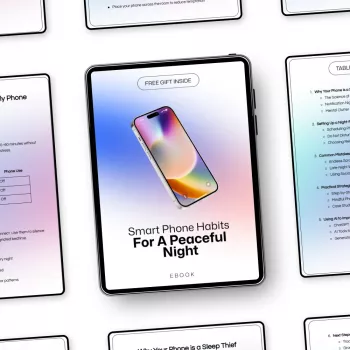
Late-night scrolling can push bedtime later and make it harder to wind down. Set a time to put your phone away, charge it outside the bedroom if practical, or switch to a calm activity before bed. For a step-by-step evening plan, read the 60-minute night phone reset routine.
Take breaks and notice how you feel
Give your eyes and body a change of pace with regular screen breaks. Stand up, stretch, look into the distance, or take a short walk. Pay attention to how particular apps affect your mood, concentration, and energy; consider setting limits or removing ones that leave you feeling drained.
Keep the rules realistic
A useful routine is one you can maintain. Start with one change, such as silencing nonessential alerts or keeping your phone away during meals. Review how it feels after a week, then add another boundary if needed. Healthy phone use is less about a perfect screen-time number and more about whether your habits support the rest of your life.
FAQ
How can I make my phone less distracting?
Turn off nonessential notifications, remove tempting apps from your home screen, and keep your phone out of reach during focused activities. Scheduled check-in times can also reduce the urge to look at it constantly.






Leave a comment