Why Gucci Is Popular: Smarter Buying & Resale Tips
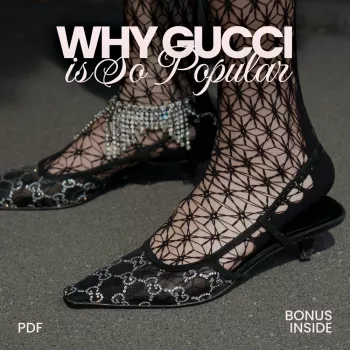
Why Gucci Stays Popular (and Why That Matters When You Buy)
Gucci’s popularity isn’t an accident. It’s built on a long heritage, instantly recognizable design codes, and a modern luxury ecosystem where celebrity visibility and resale demand keep the brand in constant rotation. That popularity can help buyers—iconic pieces are easy to style, widely recognized, and often easier to resell than niche labels. It can also create risk: trend cycles move fast, price premiums can be steep, and counterfeits target the most visible items. For more guidance, see The impact of value perceptions on purchase intention of … – PMC.
Use the sections below as a practical way to separate “worth it for years” from “fun for now,” so a purchase feels intentional instead of impulsive. For further reading, see [PDF] thesis exploring luxury fashion brands’ strategic response to crisis: a ….
What “Popular” Means in Luxury—and Why It Matters When Buying
In luxury, popularity shows up as high brand recognition, social visibility, waitlists (or fast sell-outs), and strong demand on resale platforms. Popularity can be a financial and styling advantage for classic items, but it can also inflate prices for trend-driven pieces that cool off quickly.
A smart goal is simple: buy for long-term wear and for house codes that keep returning. In practice, that means separating iconic (recurring, historically consistent, easy to identify) from moment (viral, limited, trend-dependent).
The Foundations of Gucci’s Popularity
Gucci has one of the clearest “brand identities” in modern fashion, and it comes from a few durable building blocks:
- Heritage: Founded in 1921, the house benefits from a century of craftsmanship narratives and recognizable motifs that feel established rather than newly invented. For historical context, see Encyclopaedia Britannica’s overview of Gucci.
- House codes: The GG monogram, green-red-green web stripe, horsebit hardware, bamboo handle, and loafer legacy are readable from a distance—one reason accessories become status signals quickly.
- Italian luxury positioning: Strong ties to Florence and Italian leather goods build trust, especially for “entry” luxury categories like belts, wallets, and small bags. Kering’s official brand profile offers a helpful snapshot of the house within the luxury group: Kering — Gucci.
- Scale with consistency: Gucci stays visible across bags, shoes, belts, eyewear, fragrance, and ready-to-wear—so the brand remains top-of-mind across many budgets.
- Creative direction cycles: The look shifts over time, but familiar codes remain, which keeps Gucci culturally current without abandoning what makes it “Gucci.”
Design Codes That Create Instant Recognition (and How to Use Them as a Buyer)
Monogram and canvas
Hardware signatures (horsebit, bamboo, distinctive clasps)
Silhouette cues and repeat appearances
Materials and wear
Color strategy
Quick buyer’s map
| Popularity driver | What it looks like | Buyer advantage | Watch-outs |
|---|---|---|---|
| Heritage and house codes | Monogram, web stripe, horsebit, bamboo | Timeless recognition, easier styling | Logos attract counterfeits; some codes cycle in/out of favor |
| Celebrity and pop culture | Red-carpet moments, music and film references | Boosts demand and resale interest | Hype can fade; avoid paying a premium for short-lived trends |
| Visible accessories | Belts, sneakers, small bags, sunglasses | Lower entry price, high outfit impact | Often the most copied; quality varies by category |
| Retail experience and distribution | Flagships, online presence, luxury department stores | Strong availability and service options | More availability can reduce exclusivity for some lines |
| Resale ecosystem | Active secondhand listings and buyer demand | Liquidity for icons; easier to move pieces | Condition and authenticity documentation are non-negotiable |
Why Buyers Keep Choosing Gucci: Status Signals and Styling Payoff
Buyer’s Checklist: Make Smarter Gucci Purchases
If you want a quick, consistent way to compare options—especially when you’re balancing trend vs. longevity—use a checklist approach. A printable version is available here: Why Gucci is So Popular: Buyer’s Checklist – Printable Luxury Fashion Guide.
To make designer pieces feel easier to use day-to-day, it also helps to set up a simple organization system so items aren’t forgotten in the back of a closet. If you’re streamlining storage and routines, One Room, Real Progress: A Simple Step-by-Step Guide for Stress-Free Home Organization can be a practical companion for building habits that protect your purchases.
If space is tight, a more efficient room layout can indirectly protect luxury items (less pile-ups, fewer scuffs, safer storage zones). For that angle, see Maximize Function, Minimize Clutter | Multifunctional Room Layouts eBook.
Common Mistakes That Make Gucci Feel “Not Worth It”
Printable Guide for Confident Buying
A structured checklist makes it easier to compare items across categories and budgets, especially when you’re looking at multiple listings or trying to avoid impulse buys. Keep one copy for in-store shopping and another for online browsing. If you want a ready-to-use format, Why Gucci is So Popular: Buyer’s Checklist – Printable Luxury Fashion Guide is designed to help you score practicality, visibility, comfort, authenticity readiness, and long-term wearability.
FAQ
Is Gucci worth buying as a first designer purchase?
It can be, especially if you choose a versatile category (belt, loafers, small bag) and a house code you’ll still like after trends shift. Set a budget, prioritize comfort and daily usability, and have an authenticity plan before you buy.
Do Gucci items hold their value?
Some do, but it varies by model, condition, and how “iconic” the piece is. Items with strong documentation, minimal wear, and recurring design codes tend to resell more reliably, while seasonal styles can drop faster after the moment passes.
How can a buyer reduce the risk of buying a counterfeit Gucci item?
Buy from reputable retailers or established resellers, request receipts and clear close-up photos, and compare craftsmanship details (stitching, hardware, alignment, and materials). For secondhand purchases, using a professional authentication service can add meaningful protection.





Leave a comment