Versace Brand Identity: Medusa, Baroque, Modern Era
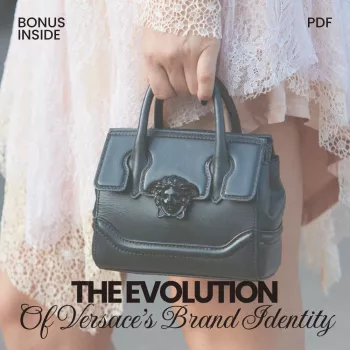
Versace’s Brand Identity Through the Decades: Legacy, Symbols, and Modern Reinvention
Versace’s visual world is instantly recognizable: the Medusa, baroque opulence, fearless color, and runway spectacle. Yet the house’s identity has continually shifted with culture, leadership, and new media—balancing heritage codes with reinvention. This guide traces the major eras, the design signatures that stayed constant, and the innovations that kept the brand contemporary. For more guidance, see Versace Logo And Its Golden History: The Medusa’s Secret.
What Makes Versace “Versace”
Versace isn’t defined by a single print or season—it’s a consistent set of symbols and attitudes that can look loud or refined depending on the moment. The core codes include the Medusa emblem, the Greek key (meander), baroque motifs, high-contrast color, sensual silhouettes, and gold-forward styling. Taken together, they create a point of view: glamour with edge, where classical references meet pop culture and nightlife energy. For further reading, see Versace: The History of a Powerful Brand – Fashinnovation.
That identity goes beyond clothing. Versace has long treated runway shows as performance, built close relationships with celebrities, and extended its universe across accessories, fragrance, and even home—so the “Versace feeling” reads as lifestyle, not just product.
| Brand code | Visual markers | Typical product expressions | Why it matters |
|---|---|---|---|
| Medusa | Head emblem, circular crest, gold detailing | Hardware, jewelry, bags, branding marks | Instant recognition; mythic power and allure |
| Greek key | Geometric border pattern | Trims on belts, sneakers, ready-to-wear edges | Signals heritage and structure; frames maximalism |
| Baroque print | Ornate scrolls, acanthus leaves, gilded styling | Shirts, dresses, scarves, home textiles | Creates opulence; differentiates from minimal luxury |
| Sensual tailoring | Body-conscious cuts, bold necklines, slits | Eveningwear, red-carpet looks | Defines the brand’s confident glamour |
| Pop culture spectacle | Show moments, celebrity casting, iconic campaigns | Runway narratives, collaborations, social launches | Expands identity into culture, not just product |
The Gianni Versace Era: Building a New Luxury Language (Late 1970s–1997)
Gianni Versace’s breakthrough was treating luxury as bold expression rather than restraint. His work merged art history, music, and a street-level attitude into a polished, high-impact fashion language. The Medusa and Greek key anchored the brand as recognizably Versace even as the design vocabulary evolved quickly—from print experiments to sharply cut tailoring and overt sensuality.
Just as important was how Versace presented fashion. The runway became theater: big energy, big styling, and the kind of supermodel-era casting that made collections feel like cultural events. That approach helped Versace read as more than a label—closer to a mood you could step into, with each show reinforcing the idea that glamour can be fearless.
Gianni’s era also pushed technique and material with a confidence that matched the visuals: daring prints, metallic effects, and construction meant to be seen from across the room. For biographical context on the founder’s career and influence, see Encyclopaedia Britannica’s profile on Gianni Versace.
After 1997: Continuity, Tribute, and the Challenge of Modernizing
After 1997, the house faced a classic heritage challenge: protect recognition while updating the brand for changing tastes. Brand memory became a strategic asset. Archival references, print revivals, and emblem-forward branding reassured loyal audiences, while also introducing newcomers to the codes that made Versace distinct.
The tension was real. Fashion cycles periodically swing toward minimalism and “quiet luxury,” which can make maximalism feel risky. Versace’s solution was rarely to mute itself entirely; instead, it learned to calibrate. A strong symbol in a cleaner setting, a baroque moment balanced by disciplined tailoring, or gold hardware set against crisp black can keep the identity intact while meeting the era’s appetite for polish.
Donatella Versace: A Distinct Voice and a Sharper, Celebrity-Driven Identity
Logos, Typography, and the Power of Visual Systems
Typography and packaging add to the assertive premium mood, especially in accessories and fragrance where the box, label, and hardware are part of the experience. A strong identity system also needs range: Versace can deliver loud runway expression and still translate those codes into refined product execution when the occasion calls for it. For brand visuals and category breadth, the official Versace website is the clearest reference point.
Innovation Without Losing the Myth: Digital Culture, Collaborations, and New Audiences
How to Read Versace Today: A Practical Lens for Spotting Authentic Brand DNA
A Guided Deep Dive: A Curated Reading Companion
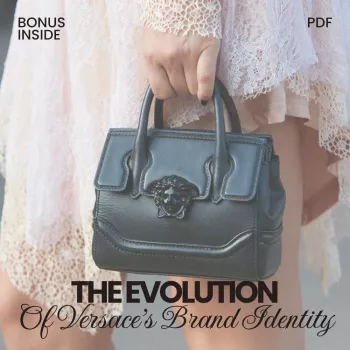
For a structured walkthrough of Versace’s symbols, eras, and cultural turning points, explore The Evolution of Versace’s Brand Identity: A Deep Dive into Iconic Fashion, Legacy, and Innovation. It’s a practical companion for connecting runway moments to long-term identity shifts, especially when comparing archival references to contemporary collections.
If you enjoy unpacking how design systems work across categories (and why “cohesion” matters as much as creativity), Maximize Function, Minimize Clutter | Multifunctional Room Layouts eBook offers an interesting cross-discipline lens on structure, constraints, and visual order—ideas that also apply when a fashion house scales its identity across many product types.
FAQ
Why is the Medusa central to Versace’s identity?
The Medusa channels mythic allure and power, which aligns with Versace’s confident, high-glamour attitude. Because it’s been used consistently across decades and categories, it also delivers instant recognition—whether it appears as subtle hardware or as a bold, front-and-center emblem.
What are the most recognizable Versace motifs besides the Medusa?
The Greek key (meander) and baroque prints are the most iconic, often paired with gold-forward styling and high-contrast color. Sensual silhouettes—sharp tailoring, bold necklines, and leg-baring slits—also function as a signature even when prints are toned down.
How has Versace stayed relevant while keeping a maximalist aesthetic?
Versace updates proportion, tailoring, and styling while keeping its symbols and motifs legible. Celebrity-driven visibility, digital storytelling, collaborations, and selective archive revivals help the brand feel current without turning into pure nostalgia.



Leave a comment