Lockable 8-Gallon UTV/ATV Rear Cargo Box Guide
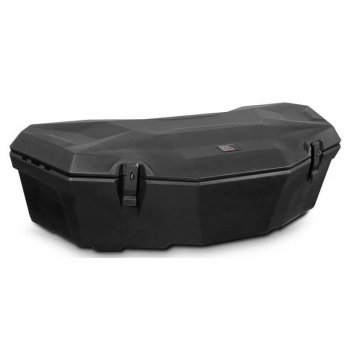
Extreme Adventure 8 Gal UTV/ATV Rear Cargo Storage Box: Lockable Rear Storage for Trail Gear
A rear cargo box can turn a UTV/ATV into a more capable trail machine by keeping essentials protected, contained, and easy to reach. This 8-gallon Extreme Adventure storage box is designed for riders who want a dedicated place for tools, recovery items, and day-ride gear without cluttering the cab or strapping everything to the rack.
What an 8-gallon rear cargo box is best for
An 8-gallon box hits a practical middle ground: large enough for the items that save a ride, compact enough to keep the rear of the machine tidy and less top-heavy.
- Day rides where gear needs to stay dust- and splash-protected: gloves, tow strap, compact air pump, tire plugs, first-aid kit.
- Hunting/fishing access routes where loose gear can rattle out of open racks and baskets.
- Worksite or property runs that benefit from a consistent “grab-and-go” kit (basic tools, spare fuses, zip ties, ratchet straps).
- Keeping high-use items separate from cooler/soft bags to reduce re-packing time between rides.
- Reducing cabin clutter so the passenger area stays safer and more comfortable on rough terrain.
Example packing list for an 8-gallon rear cargo box
| Category | Items that typically fit | Why it earns a spot |
|---|---|---|
| Tire & repair | plug kit, compact inflator, valve core tool | Handles common trail failures quickly |
| Recovery | tow strap, soft shackles, gloves | Useful for self-recovery and helping others |
| Safety | first-aid kit, flashlight/headlamp, emergency blanket | Supports basic emergency readiness |
| Tools & spares | multi-tool, small socket set, fuses, zip ties, tape | Solves vibration- and bump-related issues |
| Personal | rain shell, hat, bug spray, sunscreen | Comfort and protection when conditions change |
Key features to look for in a rear cargo storage box
Not all cargo boxes handle vibration, weather, and repeated impacts the same way. These traits matter most when rides turn rocky or muddy.
- Secure closure: a latch that stays closed under vibration and repeated impacts; lockable designs help deter opportunistic theft at trailheads.
- Durable construction: rigid material that resists cracking from cold temps, UV exposure, and bouncing loads.
- Weather resistance: lid fit and sealing surfaces that reduce water intrusion during rain, mud, and washdowns.
- Mounting stability: multiple anchor points and hardware compatible with rear racks or cargo plates to minimize shifting.
- Usable opening: a lid that opens wide enough to access bulky items without unloading everything.
- Low snag profile: rounded edges and a shape that doesn’t easily catch brush on narrow trails.
Fit and mounting considerations before buying
A rear storage box is only as good as its fit. A few quick checks help prevent the most common headaches: blocked access, rattles, and unwanted movement.
- Measure the rear rack/cargo plate footprint and confirm the box won’t block bed tilt mechanisms, tailgates, or rear accessory ports.
- Check clearance for suspension travel and rear cargo movement; avoid mounting positions that interfere with seats, passenger handholds, or rear lights.
- Plan the load: heavier items should be kept low and centered to reduce rear-end sway and improve handling on climbs and sidehills.
- Verify tie-down or bolt patterns: if drilling is required, use backing plates/washers to spread load and prevent pull-through.
- Consider compatibility with existing accessories such as rear racks, gun scabbards, coolers, spare tire mounts, and passenger backrests.
Using the Extreme Adventure 8 Gal box effectively on the trail
The main advantage of a dedicated box is consistency: the same essentials, in the same place, every ride. That saves time at the trailhead and reduces the odds of forgetting something important.
Care, maintenance, and long-term durability tips
When a rear cargo box beats other storage options
Recommended in-stock options
- Extreme Adventure 8 Gal UTV/ATV Rear Cargo Storage Box — a dedicated, lockable rear storage solution sized for common trail essentials.
- One Room, Real Progress: A Simple Step-by-Step Guide for Stress-Free Home Organization — helpful for building repeatable “grab-and-go” checklists and keeping gear staged between rides.
- Maximize Function, Minimize Clutter | Multifunctional Room Layouts eBook — useful ideas for organizing limited storage spaces like garages, trailers, and gear rooms.
Rider responsibility and safety reminders
Secure storage supports safer riding, but it’s not a substitute for responsible operation and preparedness. For best practices on protecting trails and minimizing impact, review guidance from Tread Lightly!’s OHV resources. For general ATV safety information, the U.S. CPSC ATV Safety page is a solid reference.
FAQ
Is an 8-gallon cargo box big enough for a full day ride?
For many riders, yes—an 8-gallon box typically fits a compact tool kit, first-aid kit, tire plugs/inflator, small recovery gear, and a light rain layer. Bulky jackets, full-size compressors, or lots of fluids usually require additional storage elsewhere on the machine.
How should a rear cargo box be mounted to handle rough trails?
Use multiple mounting points with appropriate hardware, add backing washers/plates to spread load, and apply thread locker where recommended. Keep heavier items low and centered, confirm nothing interferes with lights or tilt beds, and re-torque fasteners after the first few rides.
Does a lockable cargo box keep water and dust out completely?
Most are water-resistant rather than fully waterproof, and performance depends on lid fit, latch tension, and clean sealing surfaces. For extreme dust or deep-water conditions, placing sensitive items in small dry bags inside the box adds an extra layer of protection.




Leave a comment