Kids’ Bubble Ride-On Motorcycle: Lights, Music, 3 Wheels
Everyday outdoor fun, made easy
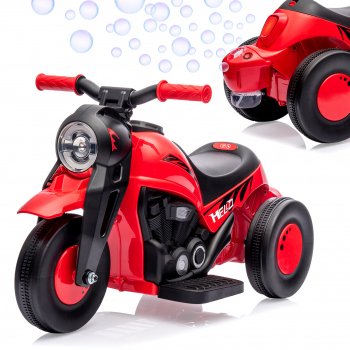
A backyard lap can feel like a big adventure when the ride has bright lights, playful music, and a steady three-wheel base. Our Electric Ride-On Bubble Motorcycle for Kids with Lights, Music & 3-Wheel Design is built for simple starts, confident cruising, and the kind of giggles that happen when bubbles trail behind the wheels. It fits neatly into real routines—quick rides before dinner, a few loops after school, or a weekend driveway “show” that keeps kids moving without a big setup.
Why this bubble motorcycle becomes a go-to playtime pick
- Low-effort outdoor play: You can set it down on a patio, driveway, or smooth sidewalk and be ready to ride without hauling extra gear.
- Built-in “event” energy: Lights, music, and bubbles turn ordinary laps into a mini parade—kids tend to stay engaged longer when play feels interactive.
- Three-wheel stability: The 3-wheel design supports newer riders who are still learning steering control and start/stop confidence.
- A screen-free gift that feels instantly special: It’s active play with a “wow” factor right out of the gate—great when you want something more memorable than another app or toy that sits.
Features kids notice first (and parents appreciate later)
- Lights: They add excitement during dusk rides or in shaded driveways and make play feel more “real.”
- Music: Music often sparks pretend-play storylines—kids narrate routes, run “deliveries,” or start a follow-the-leader game.
- Bubble effects: Bubbles add an interactive layer that encourages kids to keep moving, chase, and share play with siblings or friends.
- Steadier riding with a 3-wheel layout: Compared to two-wheel toys, the wider base can reduce wobble while kids build coordination.
At-a-glance checklist for choosing a ride-on for everyday use
If you’re deciding whether this style of ride-on matches your home and your child’s current stage, this quick checklist helps you spot the make-or-break details. The goal is simple: smoother learning, fewer frustrations, and safer daily play.
| What to check | Why it matters | What to look for at home |
|---|---|---|
| Stable base (3-wheel) | Helps newer riders feel secure while steering and starting | Smooth, level area for practice; avoid steep slopes |
| Lights & music | Boosts engagement and keeps play interesting longer | A volume-friendly environment; consider neighbors during evening play |
| Bubble play | Adds interactive fun and motivates active movement | Plan for easy cleanup; bubbles can make some surfaces slick |
| Riding surface | Impacts traction and overall control | Driveways/patios/sidewalks are ideal; skip gravel and uneven ground |
| Safety gear & rules | Reduces risk during learning and excited play | Helmet plus a simple “no street, no steep hills” rule |
Where it fits best: driveways, patios, and after-school energy
- Quick-reset outdoor breaks: A few minutes of riding can help kids shift from school mode to home mode without a long transition.
- Birthday and playdate friendly: Bubbles and lights create an instant activity—less planning for you, more movement for them.
- Sibling-friendly play: One rider can “lead the route” while others follow bubbles, make chalk pit stops, or wave flags from the porch.
- Small-space confidence: In compact outdoor areas where a bike may feel too fast or wobbly, a stable ride-on can be easier to manage.
Simple safety habits that keep the fun going
- Make helmet-first the routine: Put the helmet on before the ride starts—when it’s part of the ritual, it’s less likely to turn into a debate.
- Pick the right spot: Flat, dry pavement is best. If bubbles start to build up, pause and reset—safety beats “one more lap.”
- Supervise early rides: The first sessions go better when you help define boundaries and remind kids to use slow turns.
- Set non-negotiable zones: Keep ride-ons away from streets, steps, pools, and steep driveways.
- Use short “parking breaks”: If excitement spikes, have your child park, take a breath, and restart—this keeps play fun instead of frantic.
For broader toy safety guidance, the U.S. Consumer Product Safety Commission is a helpful reference: CPSC – Toy Safety. For helmet fit tips you can use today, see: American Academy of Pediatrics – Bicycle Helmets.
Care, storage, and keeping play areas tidy
If you’re building a simple system for toy zones and daily reset routines, our team also recommends pairing outdoor play upgrades with an easy organization plan like One Room, Real Progress: A Simple Step-by-Step Guide for Stress-Free Home Organization.
A fun gift that feels bigger than the price tag
Want to keep your home from feeling overrun as the fun expands? Our Maximize Function, Minimize Clutter | Multifunctional Room Layouts eBook can help you set up simple zones so toys are easier to enjoy—and easier to put away.
FAQ
What age is a 3-wheel electric ride-on motorcycle best for?
Three-wheel ride-ons are typically a strong match for younger kids who benefit from extra stability while they learn steering, starting, and stopping. Focus on your child’s coordination and your riding area, and use the manufacturer’s age and weight guidance to confirm a safe fit.
Can the bubbles make the driveway slippery?
Yes—bubble solution can leave a slick film on some smooth pavement, especially if it builds up. Keep riding to dry, flat areas, pause if the surface starts to feel slippery, and rinse or wipe down the area after longer bubble-heavy sessions.
What safety gear should kids wear on an electric ride-on?
A properly fitted helmet is the baseline for ride-on play, and closed-toe shoes are a smart add for better footing. Adult supervision and clear “stay away from streets, steps, and water” rules do a lot to prevent avoidable accidents.





Leave a comment