Cozy Cartoon Dog Hoodie for Autumn Walks & Lounging
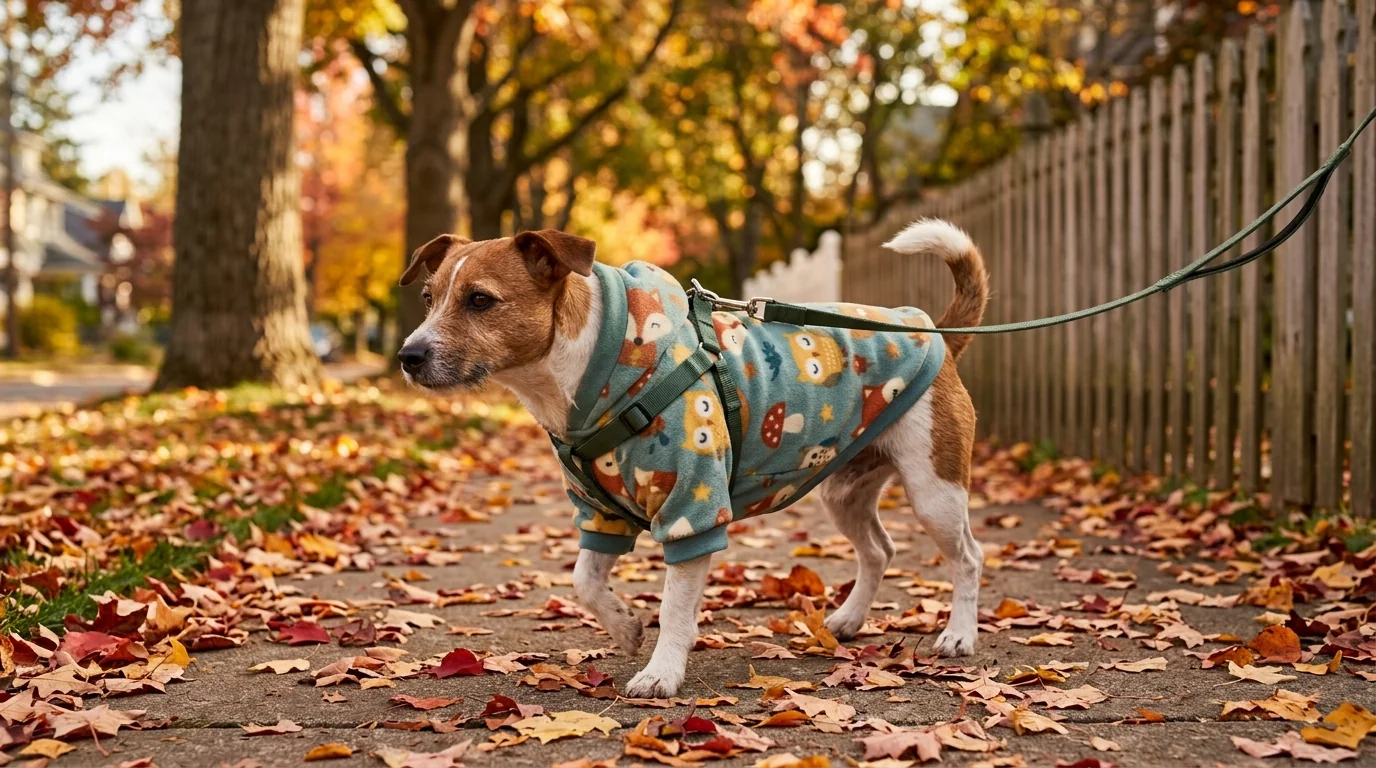
Autumn Soft Cartoon Dog Hoodie – Cozy Warm Pet Sweatshirt
Cool-weather walks and drafty evenings call for an extra layer that feels gentle and looks playful. The Autumn Soft Cartoon Dog Hoodie – Cozy Warm Pet Sweatshirt adds cozy warmth for everyday wear, helping pets stay comfortable while keeping movement easy for strolls, car rides, and lounging at home. For many dogs, a lightweight sweatshirt is the sweet spot in fall: warmer than bare fur, less bulky than a heavy coat, and quick to pull on when the temperature dips.
Not every pet needs clothing, but for short-haired breeds, smaller dogs, seniors, and pups that run chilly, a hoodie can make outdoor time more enjoyable. The American Kennel Club offers helpful guidance on when a sweater can be a good idea for dogs in winter conditions (AKC: Do Dogs Need Sweaters in Winter?), and it’s always smart to keep broader seasonal safety tips in mind (ASPCA: Cold Weather Safety Tips).
What makes this hoodie a cold-season favorite
A good pet hoodie should feel soft against the coat, sit comfortably at the shoulders, and stay out of the way during normal movement. This style checks those boxes while adding an upbeat cartoon look that stands out in photos and everyday errands.
- Soft, cozy feel designed for comfort during crisp autumn days.
- Cartoon-style design that adds a fun, cheerful touch to daily outings.
- Hooded coverage around the neck and head area (as tolerated by the pet).
- Easy daily wear for walks, quick trips, photo moments, and indoor lounging.
- Warmth without bulk—a simple way to take the edge off cool air without switching to heavy coats.
For pets that aren’t fans of hoods, the hoodie can still work well with the hood resting back, giving a little extra fabric around the neck without forcing coverage.
Best uses: when to reach for a pet sweatshirt
Fall weather changes fast—sunny afternoons can turn into chilly evenings in a hurry. Keeping a sweatshirt handy makes it easier to match the layer to the moment, especially for dogs that start shivering after a short time outdoors.
- Early morning and evening walks when temperatures drop quickly.
- Indoor spaces with air conditioning or cooler floors that pull warmth away from the body.
- Short-haired breeds that chill easily during transitional seasons.
- After grooming sessions when a pet may feel cooler than usual.
- Travel days to support comfort in cars and unfamiliar environments.
For a complete “comfort kit,” pair a warm layer with steady hydration—especially when indoor heating starts drying the air. A sturdy, home-friendly option like the Stainless Steel UV Filter Pet Water Fountain can help encourage regular drinking while your pet relaxes inside.
Comfort and fit: getting the right size without fuss
Fit determines whether a hoodie becomes a favorite or a frustration. Too tight can restrict movement and cause rubbing; too loose can twist, bunch, or snag during play. The most reliable starting point is chest girth, followed by back length and neck measurement.
- Measure chest girth first; it’s often the most important reference for pet apparel.
- Measure back length from the base of the neck to the start of the tail for a neater silhouette.
- Leave room to move: walking, sitting, and lying down should feel natural.
- If between sizes, size up for comfort—especially for fluffier coats.
- Introduce clothing gradually for pets new to apparel: short sessions first, then extend time.
Quick measuring checklist for pet hoodies
| Measurement | How to measure | Fit tip |
|---|---|---|
| Chest girth | Around the widest part of the ribcage | Allow 1–2 fingers of ease so breathing and movement stay comfortable |
| Back length | From base of neck to start of tail | Avoid overly long backs that can bunch when sitting |
| Neck | Around the base of the neck (where a collar sits) | Ensure the neckline isn’t tight; hood should rest without pulling |
After you try it on, do a quick “comfort test”: ask for a sit and a few steps, then gently check under the armpits and along the chest for pinching or tightness. If your dog pauses, freezes, or scratches at the garment repeatedly, re-check sizing and consider a slower introduction.
Care and upkeep for everyday wear
Regular care keeps a pet sweatshirt soft, flexible, and ready for frequent outings. A little maintenance between washes also helps the fabric look nicer longer, especially during leaf-and-mud season.
- Shake out debris after walks and spot-clean small marks to extend time between washes.
- Use a gentle wash cycle with mild detergent to help preserve softness.
- Air-dry when possible to maintain shape and reduce shrink risk.
- Check seams and openings regularly so the fit stays smooth and snag-free.
- Keep a backup warm layer available for rainy or muddy days.
When a hoodie is the right layer (and when it isn’t)
FAQ
How do you measure a dog for a hoodie?
Measure chest girth around the widest part of the ribcage, then measure back length from the base of the neck to the start of the tail, and neck circumference where a collar sits. Chest girth is usually the most important for comfort. If your dog falls between sizes, choosing the larger size helps preserve freedom of movement.
Is a pet hoodie safe to wear all day?
It can be, as long as the hoodie fits correctly and your pet is comfortable wearing clothing. Introduce it gradually, check periodically for rubbing or overheating, and supervise the first few wears to make sure it doesn’t snag or stress your dog.
How do you wash a dog sweatshirt without ruining it?
Use a gentle cycle with mild detergent in cold or lukewarm water. Washing inside-out can help protect any design details, and air-drying helps maintain softness and shape while reducing the chance of shrinkage.




Leave a comment