Compost-Safe Kitchen Scraps Checklist (Yes/No Guide)
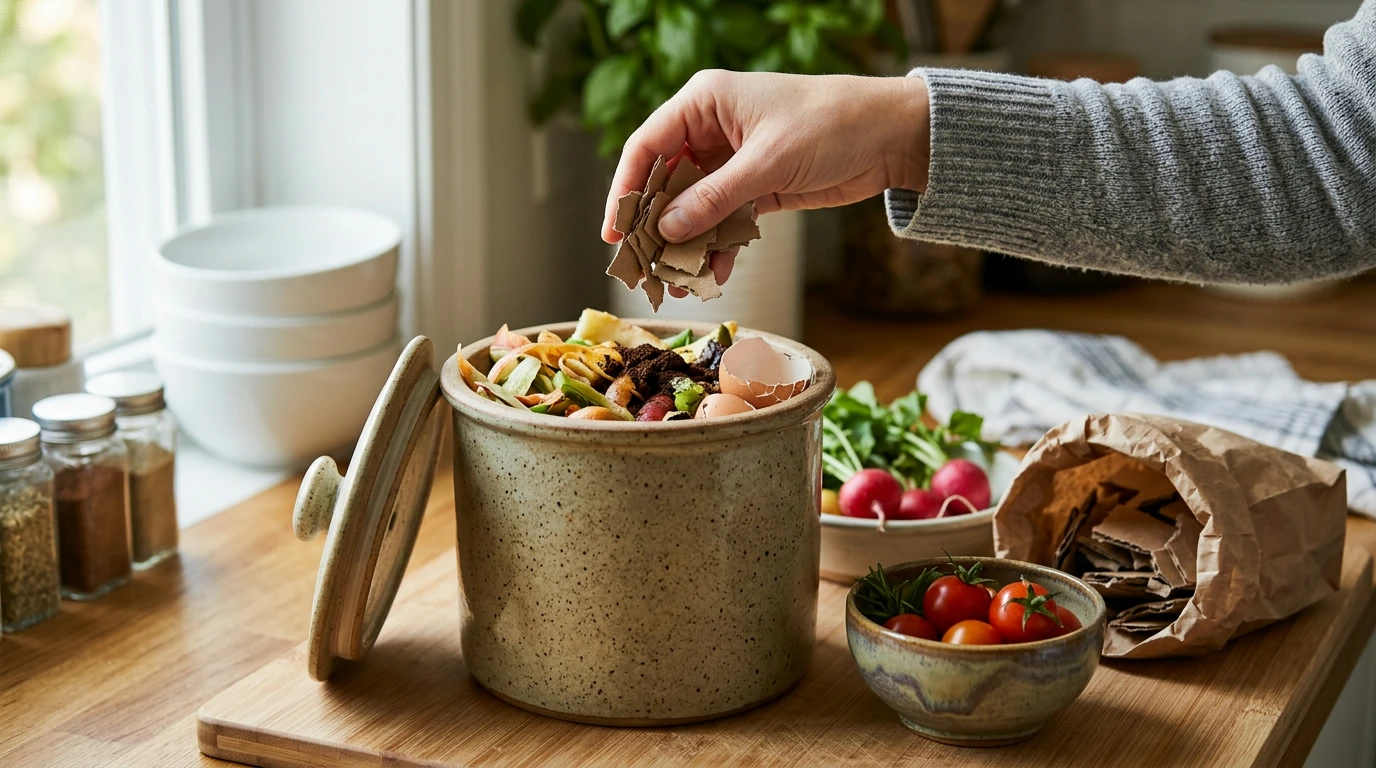
Compost-Safe Kitchen Scraps: A Home & Garden Checklist for Easy, Low-Mess Composting
Composting gets easier when the daily decisions are already made. Our team uses a simple checklist approach: you sort scraps into “yes,” “sometimes,” and “no,” then follow a few prep habits that prevent odors, reduce fruit flies, and help your pile break down faster. Whether you compost in a backyard bin, a tumbler, a worm setup, or a municipal green bin, the goal is the same: keep scraps moving smoothly from your kitchen to healthier soil.
Start with a simple compost rhythm (so it actually sticks)
If composting has ever fizzled out, it’s usually because the system asks you to make too many decisions when you’re busy. Try this rhythm instead:
- Pick one collection method: a small countertop container lined with paper, a lidded pail you empty daily, or a freezer bag for scraps if pests are an issue.
- Choose one destination: backyard bin/tumbler, worm bin, municipal green bin, or drop-off site—then match scraps to that system’s rules.
- Build “balanced layers”: add kitchen scraps (greens), then cover with dry leaves, shredded paper, or cardboard (browns) to reduce smells and flies.
- Make one habit non-negotiable: every time scraps go in, add a handful of browns on top.
- Keep browns within reach: stash a paper bag of shredded cardboard indoors so you never stall.
If you want a single-page reference you can keep at your compost station, we made Home & Garden Checklist: Compost-Safe Kitchen Scraps to remove the guesswork from day one.
Compost-safe kitchen scraps checklist (the everyday wins)
These are the scraps that usually work well in typical home composting—especially when you cover them with browns right away:
- Most fruit and veggie scraps: peels, cores, rinds, wilted produce.
- Coffee grounds and paper filters: grounds are “greens,” filters are “browns.”
- Tea leaves: generally compostable; avoid tea bags with plastic mesh or “silky” synthetic material.
- Eggshells: crush to speed breakdown; rinse if you can.
- Plain grains/pasta/bread: compostable in small amounts if buried and pest pressure is low.
Quick Checklist: Common Kitchen Scraps and How to Compost Them
| Scrap | Category | Best prep | Skip/limit when… |
|---|---|---|---|
| Fruit & veggie scraps | Green | Chop large pieces; cover with browns | Pile is already wet or smelly—add extra browns first |
| Coffee grounds | Green | Sprinkle in thin layers; mix | Using only grounds—balance with browns to avoid compaction |
| Paper coffee filters | Brown | Tear into strips | Filter is bleached with heavy dyes (rare)—use unprinted where possible |
| Eggshells | Neutral/structure | Rinse and crush | Left with lots of egg white—rinse to avoid odor |
| Rice/pasta/bread (plain) | Green | Bury deep; small amounts | Composting in an open bin with rodents—avoid or use sealed system |
| Citrus peels | Green (acidic) | Chop; add sparingly | Worm bins—limit; backyard compost is usually fine in moderation |
| Onion/garlic scraps | Green (strong) | Chop; mix well | Worm bins—use sparingly to avoid stressing worms |
“Sometimes” scraps: compostable, but handle with intention
- Citrus and onions: fine for most outdoor compost in moderation; chop small and mix to prevent slow breakdown in cool piles.
- Cooked foods: only if your setup can deter pests (sealed tumbler, bokashi, or managed municipal program). Keep portions small and bury deep.
- Paper towels/napkins: compost if used for food/water and not loaded with harsh cleaners, grease, or synthetic fibers.
- Fresh grass clippings: add thin layers only; mix immediately with dry browns to prevent slimy mats.
- Wood ash (untreated wood): use sparingly; too much can raise pH and slow decomposition.
What to keep out (and what to use instead)
Beginner-friendly balance: greens, browns, air, and moisture
Troubleshooting in minutes: fix the most common compost problems
Sustainable-living upgrades that make composting effortless
- Create a “brown bin” station: a paper grocery bag for shredded cardboard, egg cartons, and paper towel tubes (untreated/undecorated).
- Cook with a scrap bowl: keep it beside your cutting board to prevent countertop drips and repeated trips to the bin.
- Batch-empty on a schedule: daily for indoor pails, or every 2–3 days if sealed—consistency beats volume.
- Use finished compost where it counts: top-dress beds, refresh container plants, or mix into potting blends (screen if chunky).
- Make household follow-through easier: pair your compost station with a simple routine from One Room, Real Progress: A Simple Step-by-Step Guide for Stress-Free Home Organization, especially if you’re building new habits across the kitchen.
If you’re reorganizing a small kitchen to support routines like composting, our team also recommends Maximize Function, Minimize Clutter | Multifunctional Room Layouts eBook for layout ideas that reduce daily friction.
Helpful composting references (authoritative sources)
- United States Environmental Protection Agency (EPA) — Composting At Home
- USDA Natural Resources Conservation Service — Composting
- Cornell University Waste Management Institute — Composting Resources
FAQ
Can citrus and onion scraps go in compost?
Yes—citrus and onion scraps are generally fine in outdoor compost when you use them in moderation, chop them smaller, and mix them in well. If you compost with worms, keep these scraps limited to avoid stressing the bin.
What should be done if compost smells bad?
A bad smell usually means the pile is too wet or has too many greens. Add dry browns, mix for airflow, and cap the top with browns; hold off on adding more wet scraps until the smell improves.
Are coffee grounds considered “greens” or “browns”?
Coffee grounds are “greens” (nitrogen-rich), while paper filters are “browns.” Add grounds in thin layers and mix them with browns to prevent clumping and compaction.





Leave a comment