Cat Tree Tower Guide: Placement, Stability & Happy Cats
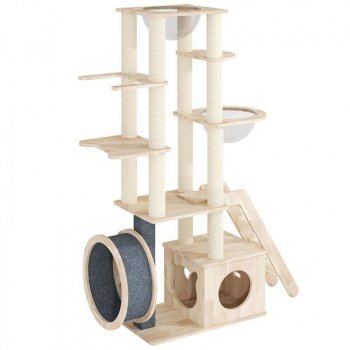
Large Cat Tree Tower: A Vertical Home Base That Keeps Cats Busy and Rooms Calm
A cat tree tower does more than add height—it creates a dedicated “yes space” for climbing, scratching, perching, and decompressing. When cats have a reliable vertical home base, they’re less likely to redirect that energy to curtains, counters, and upholstered furniture. Our team’s approach focuses on real-life use: where to place a tower, how to make it genuinely “worth it” to your cat, and how to keep a large tower working smoothly in homes where every square foot matters.
Why a cat tree tower changes daily behavior
Cats are built for vertical living. When you give them a tall, stable structure that’s clearly theirs, you’re working with their instincts instead of constantly trying to manage around them.
- Vertical territory supports natural instincts: climbing, surveying, and resting in a secure spot can lower restless pacing and attention-seeking antics.
- Multi-cat homes run smoother: a tower adds “traffic lanes” and escape routes, so cats can pass each other without a face-to-face standoff.
- Scratching becomes easier to redirect: if the best scratching surface is convenient (and satisfying), your rugs and sofa arms stop being the default.
- Perching near household activity reduces underfoot behavior: many cats want to be close to you—just elevated and out of the flow.
For more on meeting core feline environmental needs (including vertical space), the American Association of Feline Practitioners (AAFP) guidelines are a helpful reference point.
What to look for in a large cat tree tower (the practical checklist)
A “large” tower only helps if your cat can use it confidently. Prioritize everyday usability over extreme height.
- Stable footprint: a wide, weighty base matters more than an extra few inches of height—especially for cats that launch themselves upward.
- Multiple resting surfaces: cats rotate between open perches and tucked-away naps depending on mood, temperature, and how social they feel.
- Scratch-friendly zones: aim for at least one easy scratch area at ground level and another higher up to match different scratching preferences.
- Easy-to-navigate spacing: platforms should create a comfortable step-up route so your cat doesn’t need long leaps at every level.
- Home-friendly materials: choose surfaces that handle vacuuming, lint rolling, and spot cleaning without becoming a time sink.
If you’re ready to establish a true “home base” for climbing and decompression, our Large Cat Tree Tower is designed for vertical territory with multiple usable levels.
Where a cat tree tower works best: placement that feels intentional
Placement is the difference between a tower that becomes your cat’s favorite spot and one that collects lint in the corner. The goal is access, confidence, and choice.
Quick placement guide for common room layouts
| Placement option | Best for | Tips to make it work |
|---|---|---|
| Next to a window | Cats that watch outdoors; daytime nappers | Leave a few inches from blinds/curtains; add a small mat under the base if floors are slippery |
| Corner of the living room | Shared spaces; multi-cat homes | Angle platforms toward the room so perches feel open, not boxed in |
| Near the home office | Cats that seek company during work hours | Position so the top perch isn’t directly over cables or monitors |
| Bedroom nook | Nighttime routine; shy cats | Keep a clear path to the bed so the tower becomes a calm step-up perch, not a barrier |
Making the tower the most popular spot in the house
If scratching is part of the transition, the ASPCA’s scratching and enrichment guidance aligns with what we see at home: offer appropriate scratch options and reinforce the ones you want used.
Safety and longevity: keep a large tower solid and stress-free
A calmer routine: pairing vertical territory with hydration and home order
- Hydration supports overall well-being: placing fresh water away from litter zones encourages more frequent drinking in many cats. Our Stainless Steel UV Filter Pet Water Fountain helps you keep a consistent water station without constant re-filling guesswork.
- Create stations: a “climb zone” (tower), a “fuel zone” (food/water), and a “quiet zone” (rest) makes the home feel organized and reduces chaotic wandering.
- When space is tight, small layout tweaks matter: moving one side table can open a clean approach path and reduce traffic bottlenecks. If you want a practical framework for that kind of rearrangement, our Maximize Function, Minimize Clutter | Multifunctional Room Layouts eBook is built for real rooms, not empty show-home layouts.
FAQ
How tall should a cat tree tower be for an adult cat?
Choose height based on stability and usable levels, not maximum inches. A tower with secure step-up spacing and multiple comfortable platforms is usually more valuable than a taller tower that requires big leaps or feels wobbly.
Where should a cat tree tower go in a small apartment?
Place it where your cat already wants to be: near a window or in a social zone like the living room or home office, while keeping walkways clear. Corners, the side of a bookcase, or beside a desk often give you vertical benefits without consuming your floor plan.
How do you get a cat to use a new cat tree tower?
Start low and make it easy: treats on lower platforms, play that moves upward, and familiar scent rubbed onto a perch can all help. Avoid forcing or placing your cat on top; reward any voluntary exploration and let a preferred level become “their spot” first.





Leave a comment