Car Oil Leak Danger: When to Drive, Stop, or Tow
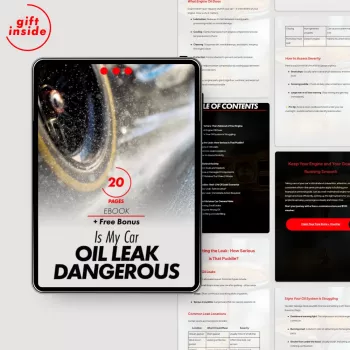
Is My Car Oil Leak Dangerous? A Practical Guide to Spotting Risk, Preventing Damage, and Knowing When to Stop Driving
Oil on the driveway can be anything from a slow seep to a serious problem that puts the engine (and safety) at risk. The key is separating “monitor and plan a repair” from “shut it down now.” Below, our team walks you through quick checks, danger signs, common leak sources, and a simple decision path for what to do next—plus a step-by-step way to document the leak so a mechanic can diagnose it faster.
What an Oil Leak Can Really Mean (and Why It Matters)
Your engine oil does more than reduce friction—it also helps manage heat. When the level drops, parts can run hotter, wear accelerates, and damage can happen faster than most drivers expect.
Leaks can also create secondary problems. Oil can soften rubber over time (hoses, mounts), contaminate electrical connectors, and make belts slip. And if oil reaches hot exhaust components, you may notice smoke or a sharp burning smell; in rare cases, that situation can contribute to an engine-bay fire risk.
Small leaks are common on older vehicles, but “common” isn’t the same as “safe.” What matters is the leak rate, where the oil is landing, and whether your oil level is staying in the safe range.
Fast Triage: The 5-Minute Checks to Do Before Driving Far
If you’re about to drive and you suspect a leak, these checks help you decide whether you can go a short distance or need to stop and arrange a tow.
- Check the dipstick on level ground. If it’s near or below the minimum mark, add the correct oil and limit driving until it’s repaired.
- Look at what’s under the car: a few drops, a small puddle, or a spreading slick all point to different urgency levels.
- Smell and watch: a burning-oil odor, visible smoke, or dripping near the exhaust are immediate red flags.
- Watch the dash: an oil pressure warning light is an emergency—shut the engine off as soon as it’s safe.
- Peek under the hood (engine off): fresh wet oil around the valve cover, oil filter, drain plug, or front of the engine can hint at the source.
Oil Leak Severity Snapshot (What to Do Right Now)
| What you notice | Likely severity | What to do today |
|---|---|---|
| A couple of drops after parking; oil level stays steady | Low (monitor) | Check level weekly, plan inspection, clean area to track source |
| Small puddle; oil level slowly dropping | Moderate | Top off, limit long trips, book repair soon |
| Active dripping while idling; oil level drops noticeably | High | Avoid driving if possible; tow or short trip only to a nearby shop if level is safe |
| Oil pressure light, loud ticking/knocking, or rapid loss on dipstick | Critical | Shut off engine; arrange a tow to prevent engine damage |
| Burning smell or smoke from engine bay | High to critical | Stop driving, let cool, check for oil near exhaust; tow if source is unclear |
Where the Leak Is Coming From: Common Sources and What They Usually Look Like
- Oil filter or drain plug area: Fresh oil around the filter, or oil tracks from the drain plug. This can happen after an oil change if something is loose, cross-threaded, or a gasket is doubled.
- Valve cover gasket: Oil along the top edges of the engine that drips down the sides. Often comes with an oil smell as it hits hot parts.
- Oil pan gasket or pan damage: Oil concentrated at the bottom of the engine; can come from corrosion, road impact, or gasket shrinkage.
- Front/rear crankshaft seals: Oil at the front (behind the crank pulley) or between engine and transmission; often worsens with mileage and crankcase pressure.
- PCV system issues: Excess crankcase pressure can push oil past multiple seals and gaskets, creating “mystery seepage” in more than one spot.
- Turbo or oil cooler lines (if equipped): Can leak faster and look messier; oil may appear near hoses/lines rather than a gasket seam.
Danger Signs That Mean “Stop Driving” (or Drive Only to Safety)
How to Confirm It’s Oil (Not Coolant, Transmission Fluid, or Power Steering Fluid)
Short-Term Protection: If Driving Is Unavoidable Before Repair
Getting to the Root Cause Faster (and Avoiding Repeat Leaks)
A Clear Decision Path: Monitor, Book Service, or Tow
Helpful Resources (and Next Steps)
If you suspect a safety-related defect or want to check for open recalls, you can use the NHTSA recall lookup. For general maintenance guidance, AAA’s auto repair resources are also a solid reference.
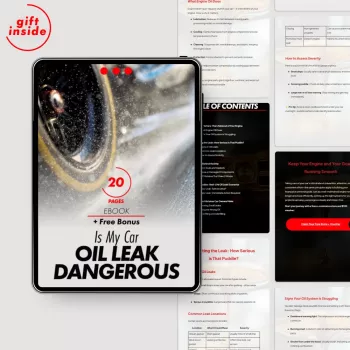
Our recommended guide for deeper troubleshooting
- Is My Car Oil Leak Dangerous? A Comprehensive Guide to Assessing Oil Leaks & Protecting Your Engine ($19.99)
Compare related options such as Kids BMX Style Bike with Training Wheels to match features, dimensions, and use case before choosing.
FAQ
Can a small oil leak damage an engine?
Yes—if the leak slowly lowers the oil level or if oil lands on hot components or belts. The safest approach is to monitor the dipstick consistently and treat any increase in drip size or new smells/smoke as a reason to escalate to service.
Is it safe to drive with an oil leak if the oil level is full?
Sometimes for short distances, but only if there’s no smoke or burning smell, no oil pressure warning light, and the leak isn’t actively dripping fast. Recheck the level frequently and limit driving until the source is repaired.
What should be done immediately if the oil pressure light comes on?
Shut the engine off as soon as you can do so safely. Check the oil level, and if the light remains on or the level is low, don’t continue driving—arrange a tow to help prevent severe engine damage.






Leave a comment