Barista FIRE Checklist: Bridge to Flexibility Now
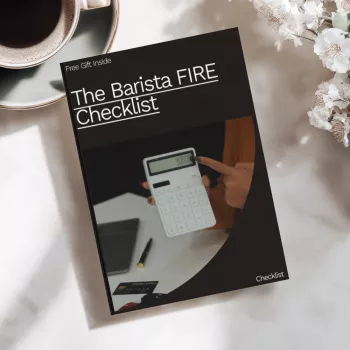
The Barista FIRE Checklist: A Clear Route to Flexibility Without Waiting for “Full Retirement”
Barista FIRE is for anyone who wants more control over your time sooner—without betting everything on a single “retire early” date. It blends a partially funded investment portfolio with lighter, often lower-stress work that can cover some or all living costs (and sometimes benefits), so withdrawals can stay small. Our team built The Barista FIRE Checklist: Your Path to Financial Independence and Flexibility to turn that idea into a sequence of decisions and actions you can actually complete—so the plan doesn’t live only in spreadsheets.
What Barista FIRE Really Solves
- It reduces the pressure to hit a massive “full FIRE number” before you make changes.
- It creates a bridge between full-time work and complete retirement by combining part-time income plus investments.
- It adds resilience: if markets dip, flexible work can reduce the need to sell investments at a bad time.
- It improves lifestyle design: time, energy, and health become part of the plan—not an afterthought.
Who This Checklist Is Made For
- Anyone close enough to financial independence to feel the pull, but not close enough to quit comfortably.
- People who want to downshift: fewer hours, less commute, less stress, more autonomy.
- Households planning around benefits (health insurance, predictable cash flow) rather than a single net-worth target.
- Side-hustlers and career shifters who want a plan that works during transitions.
The Three Inputs That Decide Whether Barista FIRE Works
- Your baseline spending: the smaller and more stable it is, the easier it is to “bridge” with light work.
- Your investable assets: enough to meaningfully reduce how much income you must earn.
- Your barista income plan: the realistic amount you can earn part-time without burning out.
A good checklist forces clarity on all three—before you make an irreversible move. If you want a trustworthy reference point for typical household categories, the Bureau of Labor Statistics consumer expenditure data can help you sanity-check what you’re seeing in your own numbers (BLS Consumer Expenditures).
A Simple Barista FIRE “Bridge” Snapshot (Example Framework)
Before you build complex projections, start with a bridge view that answers one question: “What pays for essentials each month?” Aim for a bridge that covers housing, food, insurance, utilities, and minimum debt payments first. Then treat investment withdrawals as the last lever, not the first.
Monthly Bridge Plan Template (Fill-In Structure)
| Category | Monthly Cost | Covered by Part-Time Income? | Covered by Investments? | Notes |
|---|---|---|---|---|
| Housing (rent/mortgage, utilities) | Stability matters more than perfection | |||
| Food & household basics | Track average over 3 months | |||
| Health insurance & medical | Confirm options before quitting a job with benefits | |||
| Transportation | Include maintenance + fuel, not just payment | |||
| Debt payments | List minimums; plan payoff strategy | |||
| Personal/fun buffer | Keeps the plan livable | |||
| Total | Compare against part-time income target |
How the Checklist Turns the Idea Into Actions
- Define your minimum viable monthly spending: the number that makes flexibility possible, even if you keep working.
- Separate needs from nice-to-haves: so your part-time work covers essentials first and discretionary spending stays adjustable.
- Build a benefits plan: health insurance path, emergency funds, and administrative readiness. If an HSA is part of your strategy, the IRS rules are worth reading once, directly from the source (IRS Publication 969).
- Create a transition timeline: what to do 90 days out, 30 days out, and the first 90 days after the switch.
- Schedule review checkpoints: to adjust income, spending, and withdrawal strategy as real life changes.
If you want a practical structure to follow, our team designed The Barista FIRE Checklist as a stepwise flow: you clarify your numbers, choose your “bridge job” requirements, set guardrails, and then run the plan with small weekly reviews instead of stressful overhauls.
Common Barista FIRE Mistakes the Checklist Helps Prevent
- Quitting before spending is stable: one-off expenses and lifestyle creep can quietly break your bridge.
- Overestimating part-time income: schedules, seasonality, and your energy level matter as much as hourly pay.
- Ignoring taxes and healthcare: your plan must work after premiums, deductibles, and realistic tax assumptions. For a plain-English investing refresher, the SEC’s investor education site is a solid baseline (SEC: Introduction to Investing).
- Treating Barista FIRE as a one-time calculation: it works best as a living system with quarterly check-ins and clear “if-then” triggers.
Make the Plan Easier: Reduce Friction at Home and in Your Budget
If your home systems are fighting you, we recommend pairing financial planning with practical organization. One Room, Real Progress: A Simple Step-by-Step Guide for Stress-Free Home Organization helps you create visible progress quickly, and Maximize Function, Minimize Clutter focuses on layouts and multifunctional solutions that keep your space livable without constant spending.
Best Use Rhythm: A 7-Day Setup and a Weekly Check-In
FAQ
How much money is “enough” to start Barista FIRE?
It depends on your baseline spending, the part-time income you can reliably earn, and the withdrawal rate you’re using. A practical starting point is when your investments can cover a meaningful portion of monthly essentials and the remaining gap is realistic to earn without burnout.
Does Barista FIRE require working a barista job?
No—“barista” is shorthand for flexible, part-time work that brings in predictable income and sometimes benefits. The role can be anything that fits your energy, schedule, and skills while keeping your overall plan stable.
What should be in an emergency plan before switching to part-time?
Have cash reserves, a defined healthcare plan, and a budget that covers debt minimums without stress. It also helps to set fallback options (extra shifts, temporary full-time work) and clear triggers for pausing withdrawals or increasing income.






Leave a comment