Baby-Proof Your Kitchen: Zones, Locks, and Burn Safety
Tiny Hands, Safe Kitchen: A Practical Baby-Proofing Guide for New Parents
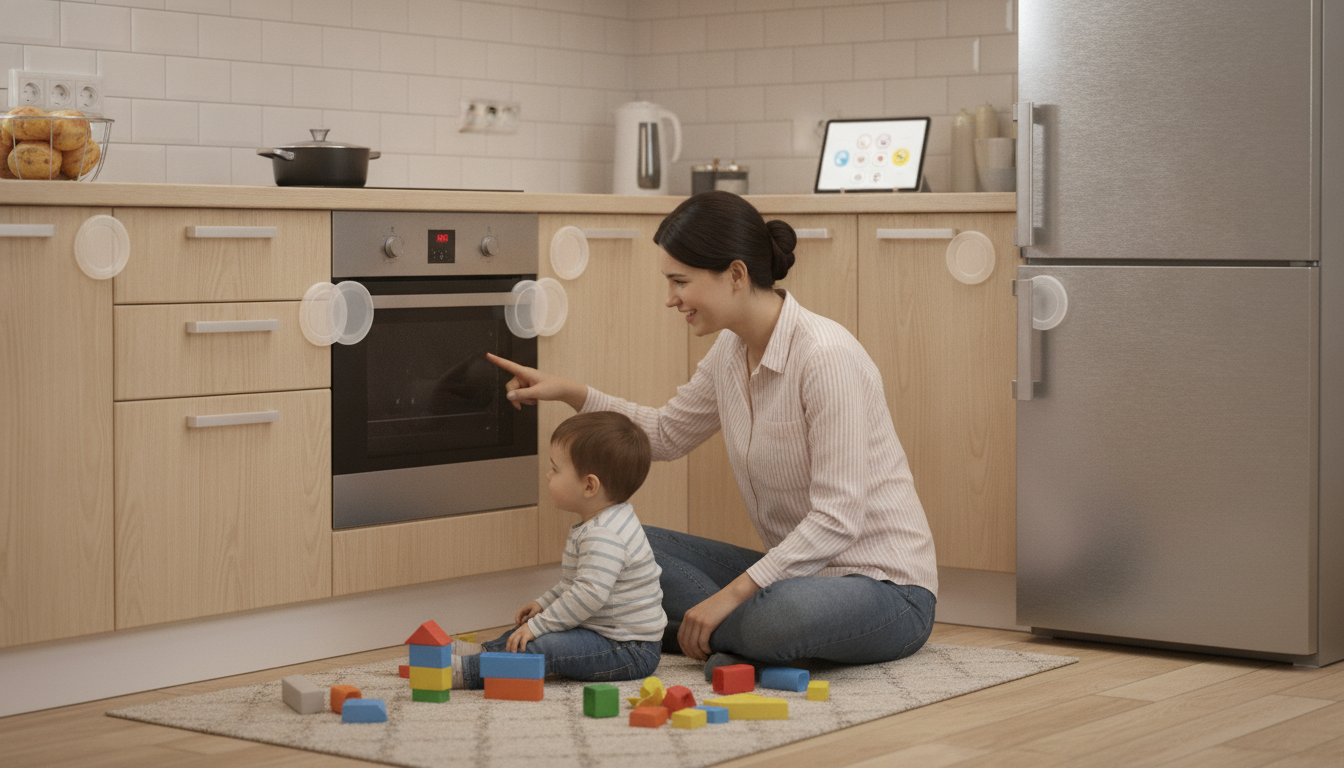
Once a baby starts rolling, crawling, and cruising, the kitchen becomes one of the highest-risk rooms in the home. Heat, sharp tools, heavy objects, and cleaning products often sit within reach. The goal isn’t to make cooking feel impossible—it’s to reduce the biggest hazards with a few smart “zone” upgrades and a quick routine you can repeat as your child grows.
Start With a Kitchen Safety Walk-Through
Before buying anything, do a two-minute walk-through at child height. Kneel down and scan for reachable handles, appliance cords, and dangling towels that can be pulled. Then sort the room into four main hazard zones: the “hot zone” (stove/oven), “sharp zone” (knives/tools), “chemical zone” (cleaners), and “choking zone” (small items).
Prioritize fixes that prevent severe injury first—burns and scalds, poisoning, and falls. Also plan for growth: something a sitter considers “up high” can become reachable in a few weeks when a toddler learns to climb.
Kitchen Hazard Zones and Quick Fixes
| Zone | Common hazards | Best first upgrades |
|---|---|---|
| Hot zone (stove/oven) | Hot surfaces, pot handles, steam, oven doors | Use back burners, turn handles inward, add stove knob covers, use an oven lock |
| Sharp zone (drawers/countertops) | Knives, peelers, graters, scissors | Install drawer/cabinet latches, use a high locked knife storage option |
| Chemical zone (under sink/pantry) | Cleaners, dishwasher pods, pesticides | Add child-resistant latches, store chemicals up high in a locked bin |
| Choking zone (low cabinets/drawers) | Batteries, magnets, small gadgets, bottle caps | Move small items to high storage, use labeled bins with lids |
| Pull-and-fall zone | Appliance cords, tablecloths, dangling towels | Shorten cords, remove tablecloths, use cord keepers and appliance garages |
Stove, Oven, and Microwave Safety (Burn and Scald Prevention)
Burns happen fast in kitchens, especially when pot handles or cords invite a tug. Use back burners whenever possible and always turn pot handles inward so they can’t be grabbed. Keep hot drinks and soups away from counter edges, and avoid holding a baby while carrying hot liquids.
Treat the oven door like a climbing target: use an oven lock, and don’t leave the door open unattended “just for a second.” For microwaves, keep hot food out of reach until it cools—steam burns are a real risk with soups and reheated leftovers.
Create a consistent “no-go” boundary during cooking. A play yard, a high chair positioned at a safe distance, or a gated doorway can all work. The best option is the one you’ll use every time cooking starts.
Cabinets and Drawers: The Fastest Safety Wins
Low cabinets and drawers are the first place curious hands explore. Install childproof latches on the most dangerous storage areas first: knives, glassware, heavy cookware, and anything that could spill or shatter.
A practical approach is to create one locked “adult-only” cabinet for your highest-risk items. That reduces the number of latches you need while still keeping the big hazards contained. Don’t forget trash and recycling—food scraps, pull tabs, and sharp packaging can cause choking or cuts, so secure access if your child can reach it.
If your child cruises along cabinet edges, corner guards can help reduce bumps on sharp countertop corners.
Under the Sink and Pantry: Poisoning and Detergent Pod Risks
The chemical zone often lives under the sink or in a low pantry cabinet. Store cleaning products, dishwasher pods, and concentrated detergents in a locked cabinet or on a high shelf. Keep products in original containers so labels and safety instructions stay intact.
A common slip-up is leaving cleaners out “for a minute” while you wipe counters or mop. That minute is often when exploration happens—especially if the scent or bright packaging catches attention.
Post Poison Control contact information somewhere obvious (like inside a cabinet door for adults only) and save it in every caregiver’s phone. For broader home safety recommendations, the American Academy of Pediatrics home safety guidance is a strong reference.
Small Objects, Batteries, and Magnets: The Hidden High-Risk Items
Some of the most dangerous items in a kitchen aren’t “kitchen tools” at all: coin batteries, small fridge magnets, twist ties, and dropped vitamins can end up on the floor or in low drawers. Do a quick weekly sweep of the usual drop zones—under the table, along baseboards, and by the trash can.
Use a lidded container for batteries and keep remotes, thermometers, and other small electronics out of reach. Treat novelty gadgets—measuring spoon sets, clips, and spare parts—as choking hazards until you’re sure they’re oversized and stored safely. If a toy or gadget uses a battery compartment, it should require a tool (a screw) to open.
Appliances, Cords, and Countertops
For additional injury-prevention basics across the home, the CDC’s child safety resources and the U.S. Consumer Product Safety Commission safety education pages are helpful starting points.
Gates, High Chairs, and Safe Containment During Cooking
A Simple Weekly Reset Checklist
Printable Baby-Proofing Plan and Room-by-Room Guidance
- Tiny Hands, Safe Kitchen | Baby Kitchen Safety Guide
- One Room, Real Progress: A Simple Step-by-Step Guide for Stress-Free Home Organization
- Maximize Function, Minimize Clutter | Multifunctional Room Layouts eBook
FAQ
When should kitchen baby-proofing start?
Start before mobility ramps up—ideally before rolling becomes consistent, and definitely before crawling. Recheck the kitchen every few weeks because reach, balance, and climbing change quickly.
Are cabinet locks enough to keep a baby safe in the kitchen?
No. Locks are an important layer, but burn prevention, cord management, small-object control, and safe containment during cooking are just as critical for real-world safety.
What is the most important step to prevent burns in the kitchen?
Use back burners and turn pot handles inward every time. Pair that with a consistent “no-go” boundary during cooking and keep hot liquids away from counter edges.




Leave a comment