7.1:1 Ultra-Light Baitcaster: Magnetic Brakes, 11 lb Drag
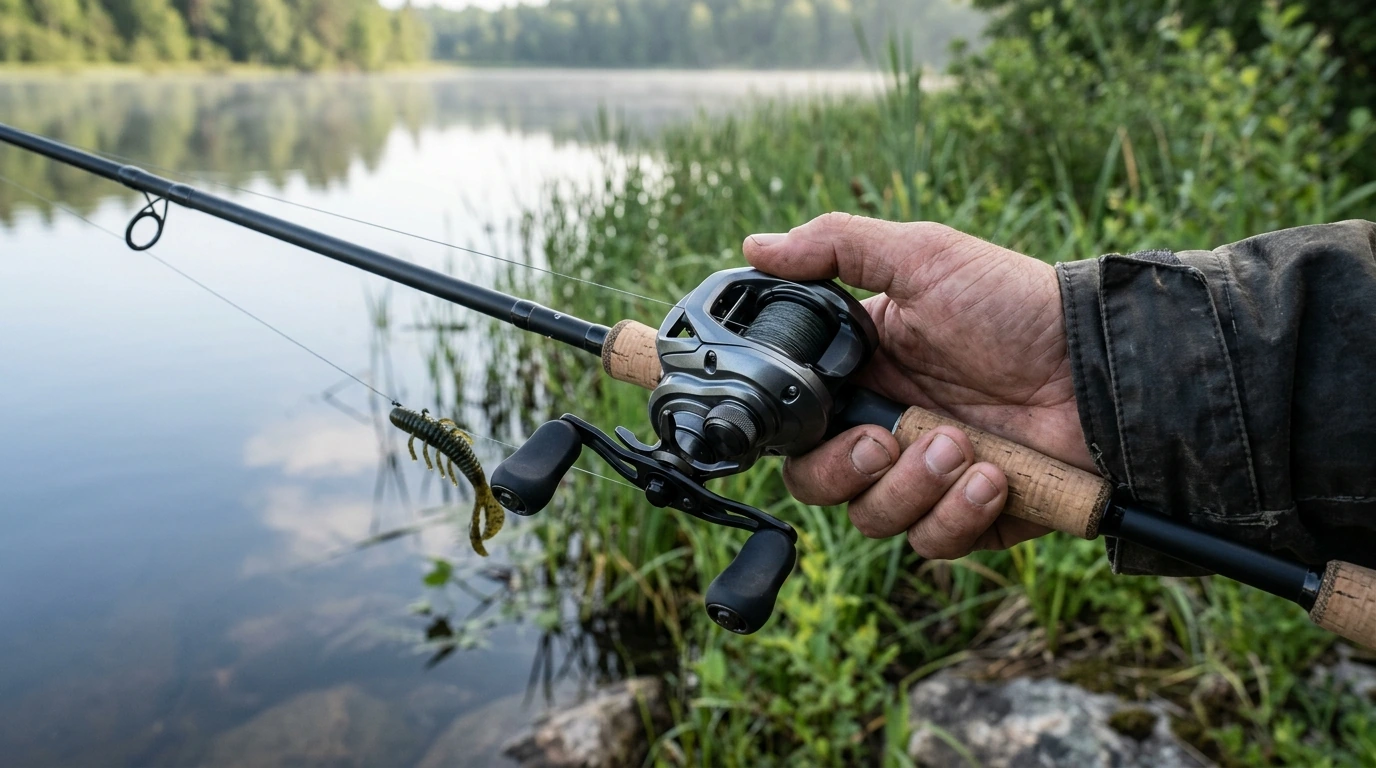
Ultra-Light Baitcasting Reels with 7.1:1 Gearing, Magnetic Brakes, and 11 lb Drag: What That Combo Is Built to Do
An ultra-light baitcasting reel can make finesse casting feel smoother, quicker, and less tiring—especially when paired with a fast 7.1:1 gear ratio, a magnetic braking system for spool control, and an 11 lb drag for confident pressure on hooked fish. The key is understanding what each spec changes on the water, then setting up line, lure weights, and brakes so the reel works with your rod and technique (not against them).
Fast retrieval: what a 7.1:1 ratio changes on the water
A 7.1:1 gear ratio prioritizes speed. That matters most when the lure is moving with short pops and pauses, where slack line forms quickly and hooksets depend on immediate contact.
- Faster slack pickup: After a twitch, hop, or missed strike, a high ratio helps you get tight quickly and stay in control.
- Technique-friendly speed: Great for soft-plastic jerkbaits, compact jigs, small swimbaits, and many topwaters—presentations where quick line recovery keeps the cadence clean.
- Not built for brute-force winching: Higher ratios can feel less “torquey” under heavy load, so it’s best to avoid grinding oversized, high-resistance baits all day. Let the drag and rod do the work instead of cranking against a locked-down spool.
Gear ratio and practical use cases
| Gear ratio range | Retrieval feel | Good fits | Trade-offs to expect |
|---|---|---|---|
| 6.1:1–6.8:1 | Balanced | General purpose lures and retrieves | Slightly slower slack pickup |
| 7.0:1–7.5:1 | Fast | Finesse-to-medium techniques needing quick control | Less leverage for deep cranks/heavy resistance |
| 8.0:1+ | Very fast | Pitching/flipping and rapid follow-up casts | More sensitive to setup; fatigue if overused |
Magnetic braking: how it helps prevent overruns
Magnetic brakes apply non-contact resistance to the spool. That resistance helps manage the two moments that cause most backlashes: the initial acceleration when the spool wants to “jump,” and the slowdown near the end of the cast when the lure loses speed before the spool does.
- More forgiving control: Many anglers find magnetic brakes easier to dial in than centrifugal-only systems, especially when working lighter baits.
- Practical baseline: Start with higher brake strength for the first few casts, then reduce gradually until distance improves without frequent backlashes.
- Brake + tension as a team: Set spool tension to remove side-to-side spool play, then fine-tune with the magnetic dial. Over-tightening tension can reduce distance and make light lures feel “dead” on startup.
11 lb drag: where it fits for finesse and light-power setups
An 11 lb max drag rating is plenty of headroom for many freshwater situations. What matters more than the number is how smoothly the drag starts and how consistently it slips under pressure.
- Protect light line: With 6–12 lb mono or fluoro, a moderate drag setting prevents sudden break-offs during surges boatside.
- Braid-to-leader reality: If you run braid with a leader, set drag based on the leader and knot strength—not the braid’s maximum rating.
- Quick smoothness check: Pull line off at the rod tip. The drag should start smoothly without “sticking,” which can pop lighter leaders.
For additional drag-setting guidance, Penn’s educational resources are a helpful reference: Penn Fishing Tackle: How to Set Your Drag.
Ultra-light reel advantages: less fatigue, quicker handling, better balance
Ultra-light reels aren’t just about shaving ounces. They change how a combo feels over a long day, especially with high-cadence methods.
- Less wrist fatigue: Repeated twitching, pitching, and target casting can wear you down; less weight helps you stay precise late in the day.
- Improved rod balance: Many modern bass rods are very light, and a lighter reel can keep the setup from feeling tip-heavy—often improving accuracy.
- Handle with intention: Ultra-light builds typically reward good habits: don’t overtighten drag, and don’t crank hard with the spool locked down when a fish is pinned in cover.
Setup tips: line, lure weights, and braking baseline
If you’re refreshing knot basics (especially for braid-to-leader), this guide is a solid primer: Take Me Fishing: Fishing Knots and Line Basics. For fish handling and best practices after landing, NOAA’s resources are worth a look: NOAA Fisheries.
Product highlight: Ultra-Light Baitcasting Reel 7.1:1 with Magnetic Brake & 11 lb Drag
- Featured reel: Ultra-Light Baitcasting Reel 7.1:1 Ratio with Magnetic Brake & 11 lb Drag
- Helpful for keeping gear organized at home: One Room, Real Progress: A Simple Step-by-Step Guide for Stress-Free Home Organization
At-a-glance specs
| Feature | Value | Why it matters |
|---|---|---|
| Gear ratio | 7.1:1 | Fast slack pickup and quick control |
| Brake system | Magnetic | More manageable spool control, especially for lighter baits |
| Max drag | 11 lb | Enough pressure for many freshwater applications when set smoothly |
| Product page | Link | Details, pricing, and availability |
FAQ
Is a 7.1:1 baitcasting reel good for beginners?
Yes, as long as it’s set up for control first. Start with a higher magnetic brake setting, moderate spool tension, and mid-weight lures until your thumb timing is consistent.
How should the magnetic brake be set for lighter lures?
Begin at a mid-high brake setting and reduce gradually as long as the cast stays stable. Use the brake dial for control instead of cranking down spool tension, and watch whether overruns happen at startup (too loose) or mid-cast (brake too low).
How tight should drag be with an 11 lb max drag reel?
A good starting point is roughly 20–30% of your line or leader rating, then adjust for cover and hook size. Keep it smooth and slightly lighter for thin mono/fluoro or lighter leaders to avoid sudden break-offs.






Leave a comment