5-Email Welcome Sequence to Convert New Subscribers Fast
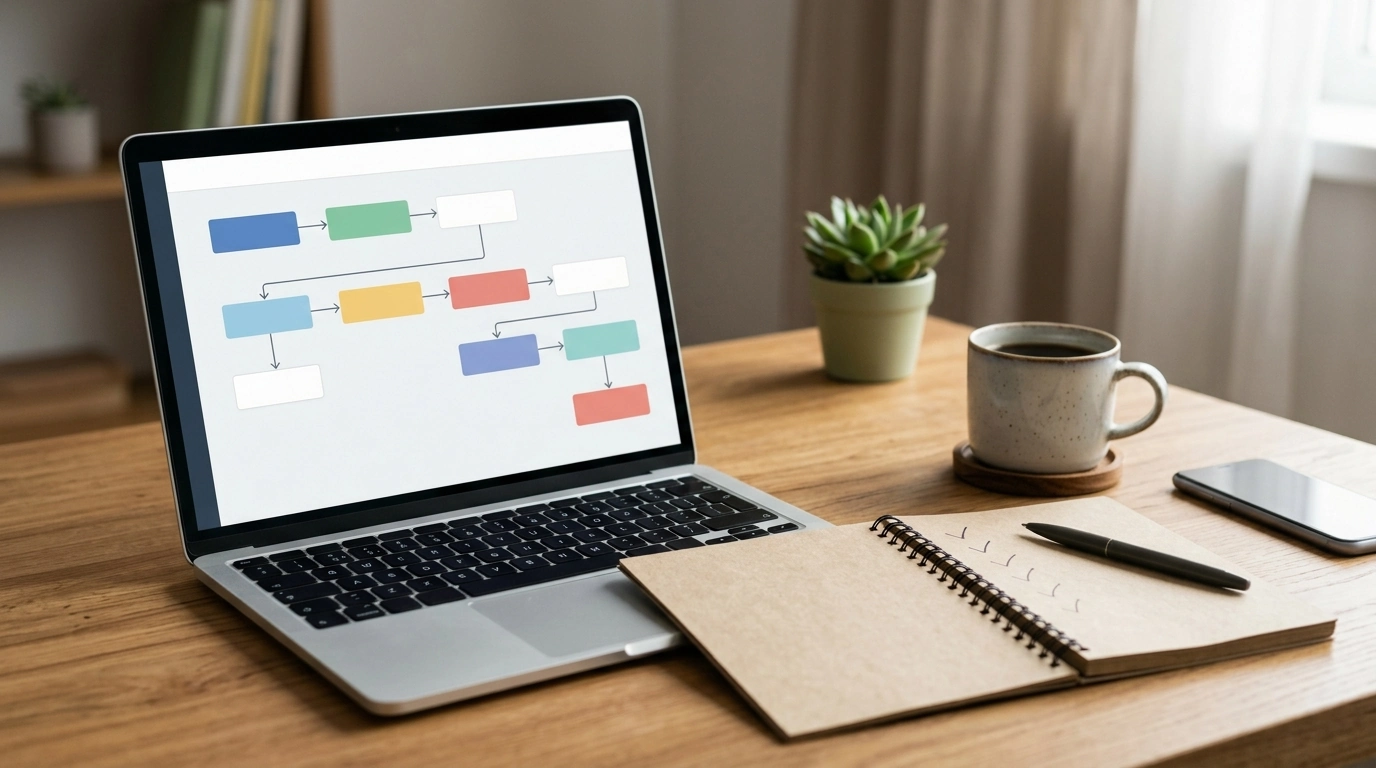
Why a Welcome Sequence Is the Fastest Way to Turn New Subscribers Into Buyers
A strong welcome sequence sets expectations, builds trust fast, and guides new subscribers to a clear next step. The goal is simple: deliver value immediately, reduce uncertainty, and create momentum so subscribers become active users or buyers without feeling rushed or spammed.
Whether you sell physical products, digital downloads, or services, the welcome window (your first 7–10 days) is when attention is highest and decision-making is easiest. The right sequence doesn’t “blast promotions”—it answers the quiet questions every new subscriber has: “Did my sign-up work?”, “Is this worth my time?”, and “What should I do next?”
What a Welcome Sequence Needs to Accomplish
- Confirm the subscription and deliver any promised lead magnet or perk right away.
- Introduce your brand’s “why” and what the subscriber will receive going forward (topics, frequency, format).
- Create an early win: a quick tip, shortcut, checklist, or setup step that feels like progress.
- Segment based on intent or role (beginner vs. advanced, personal vs. business, category interest) so follow-up stays relevant.
- Move to one primary action (complete a profile, start a trial, browse best-sellers, book a call) with minimal friction.
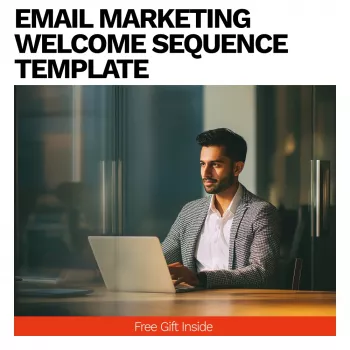
If you want a ready-to-launch baseline with subject lines, preview text, and CTA variations, the Email Marketing Welcome Sequence Template – High-Converting Guide for Automated Onboarding & First Impression Emails can speed up implementation while keeping the flow clean and conversion-focused.
Recommended Structure and Timing (Without Overwhelming Inboxes)
The best timing cadence is steady, not noisy. Five emails is enough to build trust, deliver value, and introduce an offer—without dragging the sequence out for weeks.
- Email 1 (immediately): deliver the promise + set expectations + single CTA.
- Email 2 (day 1): show the fastest path to results; address the most common early obstacle.
- Email 3 (day 2–3): social proof (reviews, outcomes, community); reinforce credibility.
- Email 4 (day 4–6): fit guide; match use cases to solutions; soft offer.
- Email 5 (day 7–10): direct offer or next step with urgency tied to value (bonus, onboarding support, limited-time perk).
Welcome sequence blueprint (5-email baseline)
| When to send | Primary goal | Key elements | Single best CTA | |
|---|---|---|---|---|
| 1: Welcome + delivery | 0–5 minutes | Build trust instantly | Confirm opt-in, deliver freebie, set frequency, 1-sentence value promise | Get the resource / Start here |
| 2: Quick win | Next day | Create momentum | One tactic, short steps, link to a guided setup, “what to do first” | Complete the first step |
| 3: Proof + story | Day 2–3 | Reduce doubt | Customer outcomes, mini case study, common objection handled | See examples / Read success story |
| 4: Fit + options | Day 4–6 | Increase relevance | Choose-your-path links (segments), recommended products/pages by use case | Pick your path |
| 5: Offer + next step | Day 7–10 | Drive conversion | Clear offer, bonus, deadline, risk-reversal (returns, guarantee), FAQ snippet | Claim offer / Book / Buy |
Email-by-Email Copy Blocks That Keep Engagement High
Subject lines that get opened (without gimmicks)
- Benefit + timeframe: “Your first win in 10 minutes”
- Curiosity + clarity: “The one setting most people miss (fix it today)”
- Welcome + specific promise: “Welcome—here’s your 5-step starter plan”
- Simple confirmation (deliverability-friendly): “Here’s what you requested”
Openers that match why they signed up
Lead with the exact thing they raised their hand for—then give one sentence of direction. Example: “You’re in—your checklist is below. Start with Step 1 today and you’ll see results before tomorrow’s email.” This reduces uncertainty and sets a “small, doable” tone.
A reliable body structure
CTA hierarchy that doesn’t dilute clicks
Human signatures that invite replies
Segmentation That Feels Helpful, Not Salesy
For ecommerce, “path” links can map cleanly to collections or use cases. For example, a home organization brand could split between “Declutter fast” and “Design a long-term system,” then guide shoppers toward a resource like One Room, Real Progress: A Simple Step-by-Step Guide for Stress-Free Home Organization or a deeper premium option such as Maximize Function, Minimize Clutter | Multifunctional Room Layouts eBook | Small Space Design Guide | Space-Saving Furniture & Smart Home Ideas.
Automation and Deliverability Essentials
- Be consistent with your “from name” and sending domain—frequent changes can trigger filtering.
- Authenticate your domain with SPF, DKIM, and DMARC. Start with Google’s guidance on setting up SPF and turning on DKIM, then align your policy with the DMARC standard (RFC 7489).
- Warm up new domains gradually and avoid blasting cold or purchased lists.
- Balance images and text, include a plain-text version, and keep links focused and trustworthy.
- Measure the right signals: early open rate, click rate, reply rate, and conversions per subscriber in the first 14 days.
Common Mistakes That Quietly Reduce Conversions
Ready-to-Use Template and Swipe File for Faster Launch
If you want the full plug-and-play version, use the Email Marketing Welcome Sequence Template – High-Converting Guide for Automated Onboarding & First Impression Emails and customize the segments, proof points, and “quick win” to match your catalog (from digital guides to high-consideration items like the Stainless Steel UV Filter Pet Water Fountain).
FAQ
How many emails should a welcome sequence include?
Three to seven emails is a practical range for most brands. Five is a strong baseline because it delivers value, establishes trust, and introduces an offer without dragging on too long.
How soon should the first welcome email be sent?
Send it immediately—within minutes—especially if you promised a resource or perk. Delays reduce trust and can lower clicks because the subscriber’s interest is highest right after sign-up.
What should the main call to action be in a welcome sequence?
Choose one clear next step tied to an early win, like a “Start here” page, a setup step, browsing best-sellers, or booking a call. Keeping one primary CTA per email makes the sequence easier to follow and improves conversions.


Leave a comment