2-Person Low-EMF Infrared Sauna: Bluetooth + Hemlock
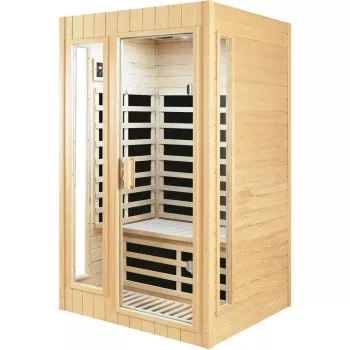
2-Person Infrared Sauna Comfort at Home (Bluetooth + Low EMF + Hemlock)
A 2-person infrared sauna can turn a spare corner of the home into a reliable, low-fuss recovery space. This model pairs gentle infrared heat with a low-EMF design, a hemlock wood cabin, and built-in Bluetooth audio—built for daily relaxation, post-workout recovery, and easy wind-down sessions without complex installation. The result is a consistent, repeatable routine: step in, warm up, exhale, and leave feeling reset.
What This Sauna Is Built For
- Creates a consistent warm environment for relaxation and recovery using infrared heating.
- Sized for two people, offering shared sessions without taking over an entire room.
- Bluetooth audio support for music, guided breathing, or meditation tracks during sessions.
- Low-EMF orientation for those who prefer minimizing electromagnetic exposure around wellness devices.
Quick Specs at a Glance
Core materials and power rating matter most for comfort, durability, and how the sauna fits into a daily routine. Use the table to confirm practical considerations like power, capacity, and build material.
Key Details
| Feature | Detail |
|---|---|
| Capacity | 2 person |
| Power | 1500W |
| Material | Hemlock wood |
| Audio | Bluetooth |
| EMF focus | Low EMF design |
| Availability | In stock |
| Price | $6142.80 (USD) |
Infrared Heat: What It Feels Like and Why People Prefer It
Infrared saunas are often described as a more breathable warmth compared with very hot, high-humidity environments. Instead of chasing extreme heat, many people prefer a steadier, more comfortable session that’s easier to repeat throughout the week. That repeatability is where at-home saunas shine: the routine becomes simple enough to maintain after workouts, before bed, or during a quiet weekend reset.
- Many routines use shorter warm-up time and moderate session lengths, making it easier to fit into evenings or post-training cooldowns.
- Comfort factors that influence the experience include heat distribution, interior space, and how quickly the cabin reaches a steady temperature.
- Common use patterns: relaxation after work, muscle recovery after exercise, and quiet time for mindfulness.
For an overview of potential benefits and practical cautions, read Harvard Health Publishing’s sauna use discussion and the Cleveland Clinic guide to infrared sauna benefits and risks.
Low EMF Considerations (What to Look For)
“Low EMF” typically means the unit is designed to reduce electromagnetic fields near the user compared with standard builds, but it’s still important to understand what “low” refers to in the real world. Measurement methods can vary, and readings may differ depending on where and how they’re taken.
- Placement and wiring quality can influence real-world exposure; follow the manufacturer’s setup guidance precisely.
- Confirm measurement methods and where readings are taken (at the bench, near the heater, or outside the cabin).
- If EMF sensitivity is a concern, pair the sauna with straightforward habits: avoid unnecessary electronics inside the cabin and keep cords organized.
A practical approach is to treat “low EMF” as one part of an overall comfort checklist—alongside heat feel, material quality, and a layout that makes daily use easy.
Hemlock Wood: Durability, Look, and Maintenance
Hemlock is commonly used for sauna cabins due to its stability and clean, light appearance. It tends to fit well in modern, minimalist, or spa-inspired rooms because it looks natural without demanding attention. More importantly, it’s chosen for a structure that can handle repeated heating cycles while staying comfortable to sit against.
- Typical benefits: a smooth interior feel, a natural look that blends into many spaces, and dependable panel construction.
- Basic care: wipe down moisture after sessions, allow the door to stay ajar to air out, and avoid harsh chemical cleaners on interior wood.
- Long-term upkeep: periodically inspect panels, fasteners, and seating surfaces to keep everything snug and comfortable.
Bluetooth Audio: Making Sessions Easier to Stick With
Bluetooth audio can be the small feature that turns an occasional session into a consistent habit. Music can make a 20–30 minute session feel effortless, while guided breathing or meditation tracks help signal the body that it’s time to downshift. Podcasts can work too—especially when the goal is simply to sit, sweat lightly, and decompress.
- Keep volume moderate to preserve a calm environment and reduce speaker strain in warm conditions.
- Place the phone or tablet outside the sauna when possible to limit heat exposure to electronics.
Power, Placement, and Everyday Use
At 1500W, it’s wise to confirm the intended outlet and circuit can handle the load—especially in older homes or in rooms where other heavy appliances run. Once power and placement are sorted, the day-to-day experience is straightforward, and small habits make it even smoother.
Who This 2-Person Format Fits Best
Product Option Available Now
- Maximize Function, Minimize Clutter | Multifunctional Room Layouts eBook | Small Space Design Guide | Space-Saving Furniture & Smart Home Ideas
- One Room, Real Progress: A Simple Step-by-Step Guide for Stress-Free Home Organization
FAQ
How long should a typical infrared sauna session be?
Beginners often start with about 10–20 minutes and build up as comfort allows, while many regular users settle around 20–40 minutes. Hydrate, pay attention to how you feel, and stop right away if you get dizzy or unwell.
Is low EMF the same as zero EMF?
No—“low EMF” generally means reduced levels compared with typical designs, not the complete absence of EMF. Levels depend on the unit’s design and how/where measurements are taken, so checking product documentation and measurement notes matters.
What’s the easiest way to keep a hemlock wood sauna clean?
Use a towel on the bench during sessions, wipe interior surfaces afterward, and leave the door ajar so the cabin can fully air out. Avoid harsh chemicals on the wood; a gentle wipe-down routine is usually enough for ongoing freshness.




Leave a comment