150 PSI Digital Tire Inflator: Features, Use & Safety
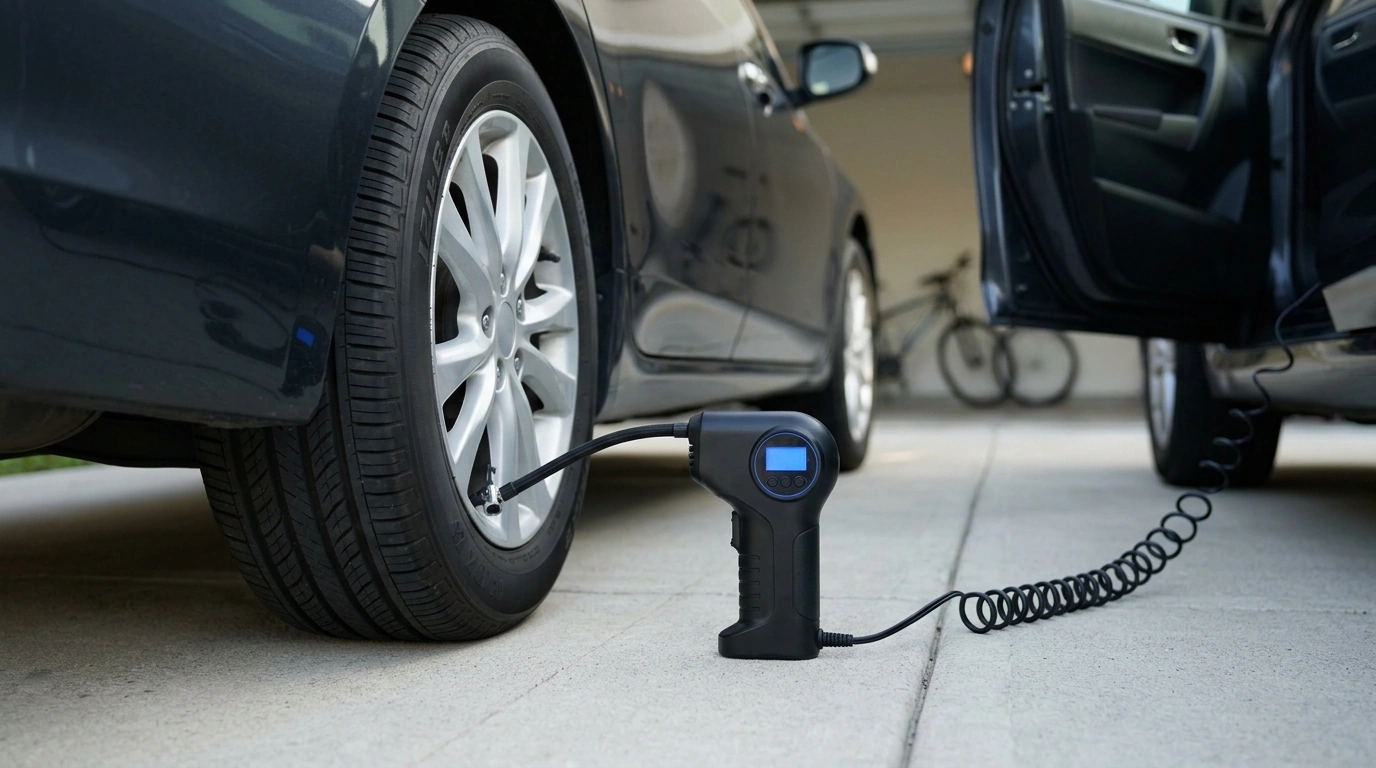
Portable Tire Inflator Pump 150 PSI with Digital Pressure Display: What It Does and How to Use It
A compact tire inflator with a digital pressure display helps restore tire pressure quickly and accurately at home, on the road, or before a long drive. Whether you’re topping off a slightly low tire or preparing for seasonal temperature swings, a portable pump can save time and reduce the guesswork that leads to uneven wear, poor handling, or a harsh ride. Below is a practical guide to choosing a good unit, using it safely, and getting consistent results for cars, bikes, and common inflatables.
Why a Digital Pressure Display Matters
“Close enough” tire pressure often isn’t close enough. A digital readout makes a noticeable difference when you’re trying to match a specific PSI number rather than inflating by feel.
- It improves accuracy compared with guessing by feel, especially for small pressure adjustments.
- It reduces the chance of underinflation (sloppy handling, higher fuel use) or overinflation (harsher ride, uneven tread wear).
- It makes it easier to match the vehicle placard pressure or manufacturer specification instead of inflating to a random number.
- It’s helpful in low light or bad weather when pulling out a separate gauge is inconvenient.
For additional tire-safety context, the National Highway Traffic Safety Administration (NHTSA) provides a straightforward overview of why proper pressure matters: NHTSA Tire Safety.
Key Features to Check Before Buying
Portable inflators range from basic “inflate-and-watch” models to pumps with target pressure settings and auto shutoff. A few core features make daily use easier and reduce frustration when you’re roadside.
- Maximum pressure rating (PSI): ensures the pump can reach typical passenger vehicle tire pressures with headroom.
- Digital readout: look for clear numbers and stable readings while inflating.
- Auto shutoff/target pressure setting (if available): stops inflation near the set value to reduce guesswork.
- Power options: 12V car outlet, rechargeable battery, or AC adapter depending on where it will be used most.
- Hose length and ergonomics: a longer hose and stable base reduce strain and awkward positioning.
- Nozzle and adapters: compatible fittings for Schrader (car), Presta (many bikes), and common inflatables.
- Lighting and visibility: a built-in light can help with nighttime roadside use.
- Noise and heat management: small compressors can get warm; consider duty cycle and cooling breaks for multiple tires.
| Feature | Why it matters | What to aim for |
|---|---|---|
| PSI capacity | Confirms it can reach required tire pressure | Enough for your vehicle; extra headroom helps |
| Digital pressure display | Supports precise inflation | Easy-to-read, steady numbers |
| Auto stop/target setting | Prevents overshooting the desired PSI | Set-and-monitor inflation |
| Power source | Determines where you can use it | 12V for car use; battery for portability |
| Adapters | Enables use on bikes and inflatables | Schrader + Presta + ball/toy adapters |
| Hose/cable length | Improves reach to all tires | Long enough for your vehicle layout |
Fuel economy and tire pressure are linked as well; the U.S. Department of Energy summarizes the relationship here: Maintaining Proper Tire Pressure.
How to Inflate a Tire Accurately (Step-by-Step)
For the most consistent reading, treat inflation like a short checklist. It takes only a few minutes and can help avoid repeating the job later.
- Find the recommended pressure: check the driver door jamb placard (common for cars) or the owner’s manual. Do not rely on the tire sidewall maximum for normal driving.
- Start with cold tires when possible: pressure rises as tires warm up, which can affect readings.
- Attach the hose firmly to the valve stem: avoid leaks; if air hisses continuously, reseat the connector until the seal is tight.
- Check the starting PSI on the digital display: note how far the tire is below the recommended value.
- Inflate in short intervals: pause briefly to let the reading stabilize, especially as you approach the target PSI.
- Stop at the target pressure: if the pump has a target setting, set it before starting; otherwise monitor the display closely.
- Recheck with a separate gauge if desired: a dedicated gauge can be useful for verification, especially for performance tires or if the tire was very low.
- Replace the valve cap: it helps keep debris and moisture out of the valve core.
If you want a deeper explanation of why “cold tire pressure” is the baseline, Bridgestone’s guide breaks it down clearly: Bridgestone Tire Pressure Guide.
Everyday Use Cases Beyond Car Tires
Safety and Maintenance Tips for Reliable Performance
Product Options to Keep in the Car or Garage
- Portable Tire Inflator Pump 150PSI with Digital Pressure Display — designed for portable tire inflation with at-a-glance PSI monitoring, and a 150 PSI capacity that provides headroom for many common inflation tasks.
- One Room, Real Progress: A Simple Step-by-Step Guide for Stress-Free Home Organization — helpful for setting up a simple storage system so essentials like adapters, gloves, and a small flashlight are easy to locate before a trip.
- Maximize Function, Minimize Clutter | Multifunctional Room Layouts eBook — useful for organizing a tight garage corner or mudroom shelf where vehicle supplies can stay accessible without taking over the space.
FAQ
What PSI should a car tire be inflated to?
Use the vehicle placard (often inside the driver door jamb) or the owner’s manual for the correct PSI. The maximum PSI on the tire sidewall is not the normal driving recommendation.
Can a portable inflator with a digital display overinflate a tire?
Yes, if inflation isn’t monitored it can overshoot the recommended PSI. If your unit supports a target setting or auto stop, set the desired PSI and still confirm the final reading before driving.
Why does tire pressure change after driving?
Driving heats the tire and the air inside it, which increases pressure. For the most consistent results, check and set tire pressure when the tires are cold.






Leave a comment