10 Easy Habits for Fresher Breath + Daily Checklist
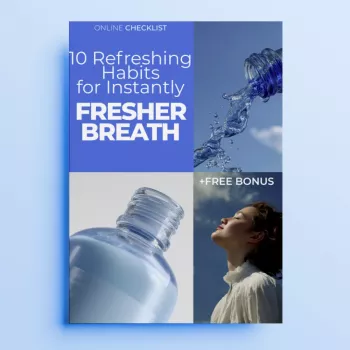
10 Refreshing Habits for Instantly Fresher Breath (With an Easy Daily Checklist)
Fresher breath usually comes down to small, repeatable routines: reducing odor-causing bacteria, keeping the mouth from drying out, and addressing common triggers like food, plaque buildup, or post-nasal drip. The habits below are designed to feel easy enough to do daily, plus a simple checklist that can be printed and posted near the sink.
Why breath gets stale so fast
“Bad breath” isn’t just about what you ate—it’s usually the result of bacteria and odor compounds building up faster than your mouth can clear them.
- Odor-causing bacteria thrive on the tongue, between teeth, and along the gumline—especially when plaque builds up.
- Dry mouth concentrates odor compounds; mouth-breathing, certain medications, caffeine, and alcohol can make it worse.
- Food odors (garlic/onion), smoking/vaping, and low-carb dieting can create noticeable changes in breath.
- Persistent bad breath can be linked to gum disease, tonsil stones, reflux, or sinus issues; routine habits help, but medical/dental care may be needed if it doesn’t improve.
For a deeper medical overview of common causes, see guidance from the American Dental Association and Mayo Clinic.
The 10 refreshing habits (quick explanations + what to do)
1) Brush for two full minutes
Focus on the gumline and back molars where plaque and odor collect. A gentle, thorough pass beats aggressive scrubbing that irritates gums.
2) Clean between teeth daily
Floss, interdental brushes, or a water flosser—removing trapped debris prevents bacteria from producing that “stale” smell. If flossing feels fussy, interdental picks or brushes can make consistency easier.
3) Scrape or brush the tongue
The tongue’s surface can hold a large share of odor-causing bacteria. Gentle daily cleaning (especially the back half of the tongue) often makes an immediate difference.
4) Hydrate on purpose
Sip water regularly, especially after coffee or talking for long periods. Water helps rinse and supports saliva’s natural cleansing action—saliva is one of your best built-in breath fresheners.
5) Use alcohol-free mouthwash strategically
Choose formulas that support bacterial control without drying the mouth. Use mouthwash after brushing/flossing, not as a substitute for them.
6) Eat “breath-friendly” snacks
Crunchy produce (apples, carrots, celery) helps mechanically clean teeth. Plain yogurt may help shift oral bacteria for some people. Try to avoid frequent sugary snacking, which feeds the bacteria that create odor and cavities.
7) Chew sugar-free gum (xylitol preferred)
Gum stimulates saliva flow, which helps wash away odor compounds. Xylitol is a popular choice because it’s tooth-friendly and may reduce cavity risk when used consistently.
8) Rinse after meals
If brushing isn’t possible, a simple water rinse (or brushing without toothpaste) reduces food residue and acids. This is especially helpful after strong-smelling foods or acidic drinks.
9) Keep dental tools clean
Replace toothbrushes/brush heads on schedule (and after illness), let them dry upright, and avoid storing them in constantly damp containers. Dirty tools can reintroduce odors and bacteria.
10) Maintain “fresh-breath basics” beyond the mouth
Nasal congestion, reflux triggers, and smoking/vaping can overpower even perfect brushing. Addressing these (and getting professional help when needed) keeps your efforts from getting canceled out.
Easy daily checklist (morning, midday, night)
Use this routine as a default and adjust for your schedule. If mornings are rushed, keep the must-do pair: tongue cleaning + between-teeth cleaning (even 60 seconds total can help).
| Time | Action | How long | Notes |
|---|---|---|---|
| Morning | Brush + tongue clean | 2–3 min | Focus on gumline and back molars |
| Morning | Floss/interdental clean | 1–2 min | Aim for once daily consistency |
| Midday | Water rinse after eating | 15–30 sec | Especially after coffee or strong foods |
| Midday | Sugar-free gum (xylitol) | 10–20 min | Best when brushing isn’t possible |
| Evening | Brush + tongue clean | 2–3 min | Don’t rush—night routine matters most |
| Evening | Between-teeth cleaning | 1–2 min | Gentle technique protects gums |
If you want a ready-to-print version you can post by the sink (plus the full “10 habits” list in a clean layout), see 10 Refreshing Habits for Instantly Fresher Breath – Easy Daily Checklist (Printable Guide).
Instant refresh options for busy moments (without overdoing it)
When to suspect something more than routine breath issues
Printable routine support (simple, fridge-ready)
A checklist reduces decision fatigue and helps consistency—especially for mornings, travel, or shared household routines. If you like having a simple system you can mark off and restart weekly, the Printable Oral Care Guide is an easy way to keep the routine visible.
For a broader “make it easier to keep habits” approach around the house (less clutter, fewer forgotten tasks), One Room, Real Progress: A Simple Step-by-Step Guide for Stress-Free Home Organization can help set up a home environment where routines stick.
FAQ
What gets rid of bad breath instantly?
Start with water and a quick tongue cleaning to remove odor-causing coating. Follow with sugar-free gum to stimulate saliva, which naturally rinses away odor compounds.
How often should the tongue be cleaned for fresher breath?
Daily is ideal—morning and/or night. Use gentle pressure and stop if you notice irritation; a dedicated tongue scraper can be easier to control than a toothbrush.
When should bad breath be checked by a dentist or doctor?
If it persists after 2–3 weeks of consistent brushing, tongue cleaning, and daily between-teeth care—or if you have bleeding gums, tonsil debris, reflux symptoms, or significant dry mouth—it’s worth getting checked.






Leave a comment