Kids’ Meal Portions Made Simple: Calm Plate Checklist
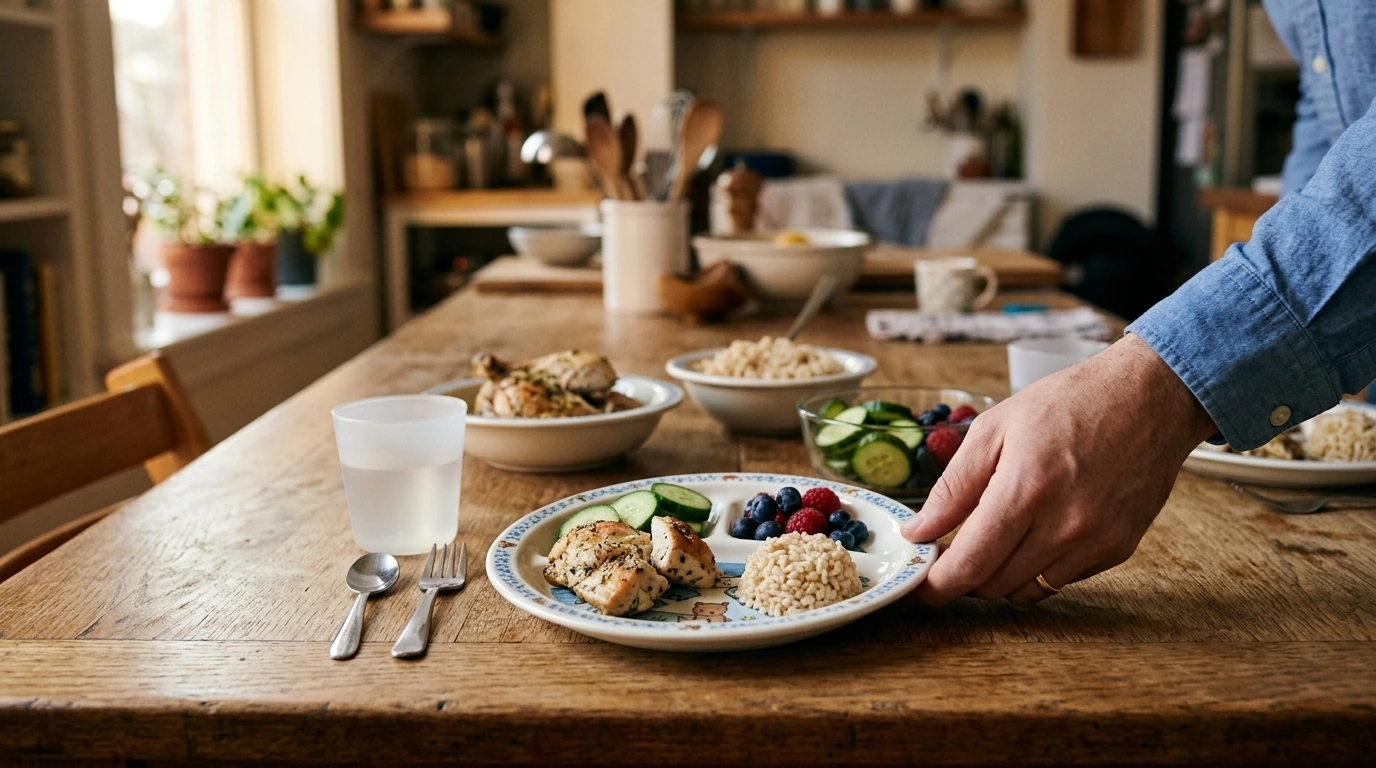
Meal Portion Guide for Kids: A Practical Checklist for Calm, Confident Family Meals
Portion questions show up fast at the table: Is this enough? Too much? Why did they eat everything yesterday and almost nothing today? Our team built this guide to give you a steady starting point that reduces second-guessing, supports balanced plates, and keeps mealtimes focused on connection instead of negotiation.
If you want deeper support you can use every day, we also made our printable Meal Portion Guide for Kids: A Practical Parenting Checklist—designed for real kitchens, not perfect ones.
What “right portions” look like in real life
Kids’ portions aren’t a single number you “get right” once. Appetite shifts with growth spurts, activity, sleep, stress, and even a weird day at school. A helpful portion guide does two things at once: it gives you a reasonable starting point and it gives you permission to adjust without turning food into a power struggle.
We like the “offer and observe” approach: you offer balanced options in kid-sized amounts, then you observe hunger/fullness cues and adjust next time. Over a week, consistency beats perfection. The calmer your routine, the easier it is for your child to listen to their body.
For general nutrition guidance, two reliable references you can keep bookmarked are HealthyChildren.org (American Academy of Pediatrics) and the USDA MyPlate resources.
The quick-start checklist for building a balanced kid plate
When you’re tired, hungry, and trying to get dinner on the table, a simple template helps. At most meals, aim to offer:
- A protein
- A fruit and/or vegetable
- A grain or starchy side
- A drink (often water; sometimes milk depending on age and your family routine)
Start smaller than an adult portion. It’s easier to add more than to manage a “clean your plate” showdown. We also recommend including at least one “safe” food your child usually accepts, alongside one or two growth foods to explore. Sauces and dips on the side can make trying a tiny bite feel lower pressure. And predictable meal/snack windows matter—afternoon grazing often shows up as “not hungry” at dinner.
Balanced Plate Checklist (post on the fridge)
| Item | Goal | Easy examples |
|---|---|---|
| Protein | One kid-sized serving | Eggs, yogurt, beans, chicken, tofu, nut/seed butter (age-appropriate) |
| Fruit/Vegetable | At least one option offered | Apple slices, berries, cucumber rounds, carrots, steamed peas |
| Grain/Starch | One serving for energy | Rice, pasta, oats, bread, potatoes, tortillas |
| Healthy fat (optional add-on) | Support fullness and flavor | Avocado, olive oil drizzle, cheese, tahini |
| Drink | Keep it simple | Water; milk if it fits your family routine |
A simple portion chart that works at breakfast, lunch, and dinner
Using the same portion framework across meals cuts down on decision fatigue. The goal isn’t a rigid rulebook—it’s a reliable starting point you can repeat. Try a “two-step serve”: serve the starting portion, then pause. If your child is still hungry, offer seconds from the same meal (instead of switching to a different, preferred food).
Small serving tools help without calling attention to portions: smaller plates, kid-sized bowls, and smaller cups naturally match kid appetites.
Portion Starting Points (use as a flexible guide)
| Food group | Starting portion idea | Best use |
|---|---|---|
| Protein | Small palm-sized serving | Main meals; supports steady energy |
| Fruits/Vegetables | One to two kid handfuls offered | Offer variety; let intake vary day to day |
| Grains/Starches | One fist-sized scoop | Adjust up on active days |
| Fats | A small add-on | Helpful for picky eaters who need more calories in small volumes |
How to use the printable guide during a hectic week
Print once and post it where decisions happen: the fridge door, pantry, or the cabinet where plates live. Then keep it simple:
- Circle the foods already in rotation. Add two “new” foods to explore this week so change stays manageable.
- Use the same calm structure for snacks (protein + produce is a strong default).
- If mornings are rushed, pre-portion common items so serving becomes automatic.
- When your child asks for more, use one repeatable phrase: “Sure—let’s do more of what’s on the table.”
If your home feels busy in general, pairing a food routine with a small organization routine can make follow-through easier. Our team often recommends tackling one space at a time with One Room, Real Progress: A Simple Step-by-Step Guide for Stress-Free Home Organization, so your kitchen and mealtime systems have room to breathe.
Stress-free strategies for picky eaters and “always hungry” kids
One of the most calming shifts is separating roles: adults choose what and when; kids choose whether and how much. That structure lowers pressure while still protecting predictable meals and snacks.
The printable Meal Portion Guide for Kids (made for real kitchens)
Our Meal Portion Guide for Kids: A Practical Parenting Checklist is designed as a quick-reference printable you can actually use daily—no calculator, no complicated rules, and no perfect-parent expectations.
FAQ
How do portions change with age and growth spurts?
Appetite is naturally variable, especially during growth spurts and on more active days. Use a consistent starting portion, look for patterns across the week (not one meal), and allow seconds when your child is still hungry.
What if my child refuses vegetables—should I keep serving them?
Yes—keep offering them in low-pressure ways, with tiny portions that feel approachable. Pair veggies with a safe food, vary preparation (raw, steamed, roasted, with a dip), and focus on offering rather than forcing.
Should I make a separate meal if my child won’t eat what’s served?
In most cases, skip short-order cooking and keep the structure steady. Include at least one safe food with the meal, stay neutral if they don’t eat much, and trust the next scheduled snack/meal to be the next opportunity.






Leave a comment