Sleep Deprivation Skin Fix: Dark Circles, Puffiness, Breakouts
Sleep Loss and Skin: What Changes Overnight—and What to Do About It
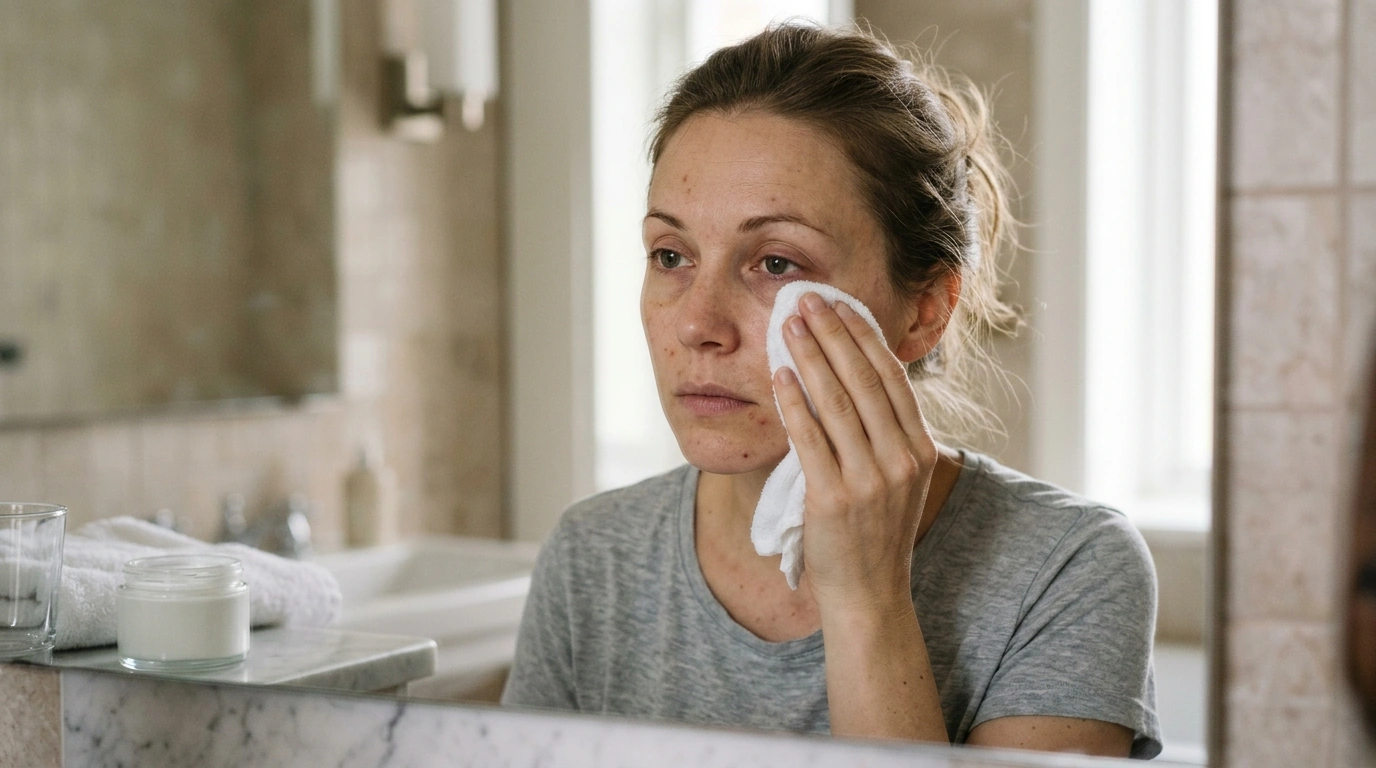
When sleep gets cut short, skin often shows it first: dullness that won’t brighten, dark circles that look “stuck,” breakouts that flare for no obvious reason, and sensitivity that makes familiar products suddenly feel harsh. The goal isn’t perfection—it’s understanding what sleep deprivation does to hydration, inflammation, barrier strength, and oil balance, then using a simple, trackable routine that helps skin recover even during busy weeks.
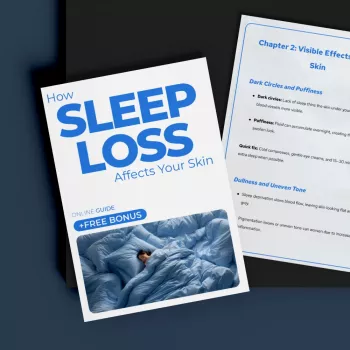
For deeper guidance you can follow day by day, our team put together How Sleep Loss Affects Your Skin – Digital Skincare Guide on Sleep Deprivation, Dark Circles, Breakouts & AI Skin Tracking (digital download). It’s designed to help you simplify fast, then reintroduce actives without triggering a setback.
What sleep does for skin (and what gets disrupted when you miss it)
Sleep is when your body shifts into repair mode, and your skin reflects that. When you’re short on sleep, the next-day changes can look dramatic because the eye area is thin, dehydration shows quickly, and irritation thresholds drop.
- Overnight repair time: Skin tends to focus on recovery processes tied to barrier maintenance and visible calm; shorter sleep can make skin look less rested the next day.
- Hydration balance: Insufficient sleep can leave skin feeling tighter or looking less plump, especially around the eyes and mouth.
- Inflammation and reactivity: Sleep loss can nudge skin toward redness, sensitivity, and “everything feels irritating” days.
- Oil and breakout patterns: Stress and fatigue can coincide with clogged pores and flare-ups, particularly along the T-zone and jawline.
- Why changes can look sudden: A single short night can show up as puffiness and dullness; repeated short nights can make patterns more consistent (circles, texture, congestion).
Common sleep-loss skin signals and the most helpful next step
| What you notice | What it often means for skin | Best immediate move |
|---|---|---|
| Dark circles look deeper | Shadowing + dehydration + puffiness can stack | Cool compress, gentle hydration, simplify actives for 24–48 hours |
| Morning puffiness | Fluid retention + slower “de-puff” rhythm | Light lymphatic massage, reduce salty late snacks, keep eye area minimal |
| Breakouts after a rough week | Oil balance + inflammation + routine inconsistency | Return to basics: cleanse, moisturize, spot treat; avoid over-scrubbing |
| Redness or stinging from usual products | Barrier feeling compromised | Pause strong exfoliants/retinoids; focus on bland, barrier-friendly hydration |
| Dull tone, uneven texture | Slower visible recovery and dehydration | Hydrate, protect with SPF, reintroduce actives gradually once calm |
If you want a quick refresher on lifestyle and skin basics, the American Academy of Dermatology (AAD) everyday care guidance is a reliable reference point. For the broader health impacts of missing sleep, the NHLBI overview on sleep deprivation is a helpful read.
Dark circles, puffiness, and that “tired face” look: a practical reset
When you look tired, it’s usually a mix of dehydration, fluid retention, and irritation—not a problem that needs five new products. The fastest visible improvement often comes from doing less, consistently.
- Start with the fastest win: Reduce irritation. A gentle cleanse and a simple moisturizer often improves the look of fatigue better than adding new steps.
- De-puff without overdoing it: Cool compresses and light massage beat aggressive rubbing (which can worsen redness).
- Hydration layering for the eye area: Choose one hydrating step plus one sealing step; skip stacking many new products when skin is reactive.
- Make mornings easier: Keep the routine short—cleanse, moisturize, SPF—then add extras only if skin feels calm.
If your life feels hectic and your routines fall apart when you’re tired, pairing skincare with a simple environment reset can make consistency easier. Our team’s organizing download, One Room, Real Progress: A Simple Step-by-Step Guide for Stress-Free Home Organization, is built around small wins you can finish even on low-energy days.
Breakouts from sleep deprivation: why “more product” can backfire
A simple 7-day recovery routine for low-sleep weeks
Track patterns instead of guessing: using AI skin tracking to spot triggers
If you want a ready-made structure for logging plus routine templates for low-sleep weeks, we built How Sleep Loss Affects Your Skin – Digital Skincare Guide on Sleep Deprivation, Dark Circles, Breakouts & AI Skin Tracking to keep the process simple: baseline, spot a trigger, make one change, repeat.
What’s inside the digital guide (and how to use it in real life)
If your low-sleep seasons tend to overlap with busy life logistics, our team also keeps Maximize Function, Minimize Clutter | Multifunctional Room Layouts eBook | Small Space Design Guide | Space-Saving Furniture & Smart Home Ideas in stock. A calmer setup can make it easier to stick to the same nightly basics without decision fatigue.
FAQ
Can one night of poor sleep cause breakouts?
One short night can show up fast as puffiness, dullness, and extra reactivity, while breakouts often reflect a mix of inflammation, oil balance, and routine inconsistency. If bumps appear, they commonly show up 1–3 days later. Your best move is returning to a gentle baseline routine instead of piling on harsh treatments.
How can dark circles look better fast after a late night?
Use a cool compress for a few minutes, then do a very light massage and apply a hydrating layer followed by a simple moisturizer, finishing with SPF. Avoid aggressive rubbing and strong actives around the eye area. A few consistent nights of this approach usually beats adding multiple new steps at once.
Should exfoliation be skipped when sleep deprived?
If your skin is stinging, red, or tight, pause exfoliation for 24–72 hours and focus on barrier-friendly hydration. If your skin feels stable, keep exfoliation gentle and infrequent. During recovery, add only one active at a time so you can tell what helps versus what sets you back.





Leave a comment